
Trump weighs diesel export ban to cut fuel prices—industry warns of global fallout
President Donald Trump has signaled support for a potential ban on U.S. diesel exports, a move backed by Republican lawmakers to address record-high fuel prices. However, industry experts warn the proposal could disrupt global supply chains and raise long-term costs, adding uncertainty for startups and businesses reliant on stable energy markets.
LazyFounders
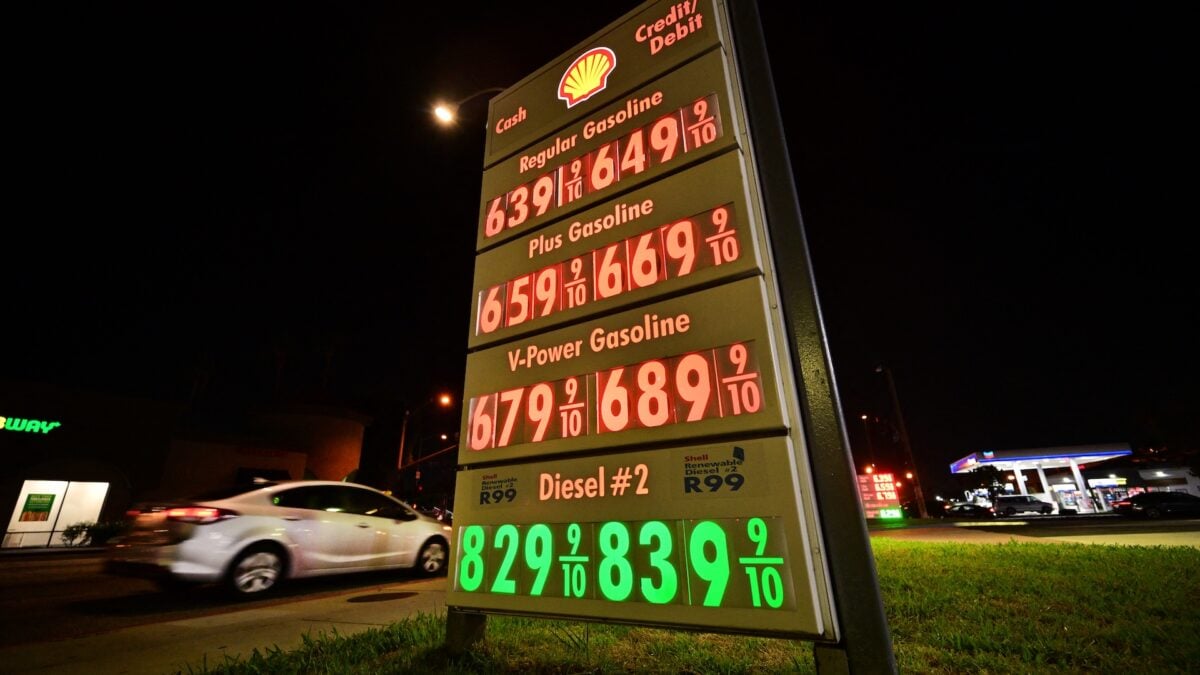

President Donald Trump has signaled support for a potential ban on U.S. diesel exports, a move backed by Republican lawmakers to address record-high fuel prices. However, industry experts warn the proposal could disrupt global supply chains and raise long-term costs, adding uncertainty for startups and businesses reliant on stable energy markets.
30 SEC SUMMARY
- President Donald Trump discussed a potential U.S. ban on diesel exports during a meeting with Ukraine's President Volodymyr Zelenskyy, indicating support but calling for further study.
- Republican lawmakers, including Senators Chuck Grassley and Dan Sullivan, are pushing for the ban to lower soaring diesel and gasoline prices.
- The American Petroleum Institute warns that restricting diesel exports could disrupt global supply chains and raise long-term fuel prices.
- Diesel prices in the U.S. have hit a record $6.52 per gallon, up from $3.68 a year ago.
- The U.S. supplies 20% of the world's seaborne diesel, making an export ban a potentially global issue.
TABLE OF CONTENTS
- Trump signals support for diesel export ban
- Record-high diesel prices fuel debate
- Industry warns of global disruption
- Geopolitical tensions add complexity
- Developing: what is not yet confirmed
- What this means
- Key takeaways
- FAQ
- Sources
KEY HIGHLIGHTS
- President Donald Trump discussed a potential ban on U.S. diesel exports during a meeting with Ukraine’s President Volodymyr Zelenskyy, signaling support but urging further study.
- Republican lawmakers, including Senators Chuck Grassley and Dan Sullivan, have called for the ban to address record-high diesel prices, which hit $6.52 per gallon.
- The American Petroleum Institute and industry experts caution that restricting diesel exports could disrupt global supply chains and raise long-term fuel costs.
- The U.S. supplies about 20% of the world’s seaborne diesel, making an export ban a potentially significant disruption to international markets.
- Rising fuel prices and geopolitical tensions, including the Iran War, have intensified pressure on U.S. energy policy.
Trump signals support for diesel export ban
According to Gizmodo, President Donald Trump discussed a potential ban on U.S. diesel exports during a meeting with Ukrainian President Volodymyr Zelenskyy at the United Nations. Trump reportedly expressed support for the measure but emphasized the need for further study before making a decision.
The proposal has gained traction among Republican lawmakers, including Senators Chuck Grassley (Iowa) and Dan Sullivan (Alaska), as well as Representatives Ashley Hinson (Iowa) and Mike Rogers (Michigan). These lawmakers argue that restricting diesel exports could help lower soaring fuel prices in the U.S.
Record-high diesel prices fuel debate
Diesel prices in the U.S. have surged to record levels, reaching $6.52 per gallon, up from $3.68 a year ago, according to reports. This spike has intensified political pressure to address fuel costs, particularly in industries reliant on diesel, such as agriculture, logistics, and manufacturing.
Supporters of the ban argue that restricting exports would prioritize domestic supply and reduce prices for American consumers and businesses. However, the proposal has faced skepticism from energy experts and industry groups.
Industry warns of global disruption
The American Petroleum Institute (API), a leading industry group, has warned that a diesel export ban could backfire. According to API President Mike Sommers, restricting U.S. energy exports would exacerbate refining challenges and ultimately hurt consumers by disrupting global supply chains.
Gizmodo reports that the U.S. supplies about 20% of the world’s seaborne diesel, meaning an export ban could have far-reaching consequences for international markets. Industry analysts suggest such a move could lead to higher long-term prices and retaliatory measures from trading partners.
Geopolitical tensions add complexity
The debate over diesel exports comes amid broader geopolitical tensions, including the ongoing Iran War, which has cost the U.S. an estimated $43.6 billion. Fuel prices have been a persistent concern, with the average price for a gallon of gasoline reported at $4.47, up from $2.98 before the conflict escalated.
Trump has repeatedly suggested that the Iran War will end after the midterm elections, though experts remain doubtful about the timeline or impact on fuel prices.
Developing: what is not yet confirmed
The following is reported but has not been independently confirmed.
Several claims related to the proposal remain unverified. Reports suggest that Trump has linked the end of the Iran War to the midterm elections, but no official confirmation has been provided. Additionally, the reported death toll of U.S. service members and the exact financial cost of the war have not been independently verified.
The potential impact of an export ban on global diesel markets also remains debated, with conflicting analyses about its long-term effects on prices and supply chains.
What this means
LazyFounders analysis — our interpretation, not reported fact.
For founders and operators in energy-dependent industries—like logistics, agriculture, or manufacturing—a diesel export ban could introduce significant near-term volatility. While the intent is to lower domestic fuel prices, the proposal carries risks: disrupting global supply chains, increasing refining costs, or even triggering retaliatory trade measures.
Startup leaders should watch for two outcomes:
- Short-term pricing instability: If the ban moves forward, diesel and gasoline prices in the U.S. could seesaw as markets adjust. This could impact operating costs for businesses reliant on fuel or transportation.
- Long-term policy uncertainty: Even if the ban is shelved, the debate signals a growing political appetite for intervention in energy markets. Founders in energy-adjacent sectors may need to stress-test their supply chains against future regulatory shifts.
The biggest takeaway? Energy policy is becoming a political lever—and startups, especially those in hardware, logistics, or climate tech, can’t afford to ignore it. Preparing for price fluctuations or supply disruptions now could mean the difference between resilience and reactive firefighting later.
Key takeaways
- Trump’s support for a diesel export ban reflects political pressure to address rising fuel prices, but the proposal is far from finalized.
- The U.S. plays a critical role in global diesel markets, supplying 20% of seaborne diesel—any export restrictions could have international repercussions.
- Industry groups like the American Petroleum Institute argue that an export ban could backfire, raising long-term prices and disrupting supply chains.
- Diesel prices have nearly doubled in a year, adding urgency to policy discussions but also complicating potential solutions.
- Founders in energy-sensitive sectors should monitor developments and assess their exposure to fuel price volatility or supply chain risks.
FAQ
Why is the U.S. considering a diesel export ban?
The proposal aims to lower domestic diesel and gasoline prices, which have surged to record highs. Lawmakers argue that restricting exports would prioritize U.S. supply and reduce costs for consumers and businesses.
What are the risks of banning diesel exports?
Industry groups like the American Petroleum Institute warn that an export ban could disrupt global supply chains, raise long-term fuel prices, and trigger retaliatory trade measures from other countries.
How much diesel does the U.S. export globally?
The U.S. supplies about 20% of the world’s seaborne diesel, making it a critical player in international fuel markets. Any export restrictions could have significant global repercussions.
What could this mean for startups and businesses?
Startups in energy-dependent sectors—such as logistics, agriculture, and manufacturing—could face pricing volatility or supply chain disruptions if the proposal moves forward. Long-term policy uncertainty may also require businesses to stress-test their operations against future regulatory shifts.
Related on LazyFounders
Sources
- Gizmodo · 2026-09-22
Trump’s Proposed Diesel Export Ban Could Backfire Enormously
This story is an original summary and analysis written by LazyFounders from the reporting listed above. Facts are attributed to their original publishers; sections marked as analysis are LazyFounders's opinion. Where a source is in another language, facts were machine-translated and quotations are reported, not reproduced. Read the original coverage via the links.
