
Samsung to introduce battery authentication chips in Galaxy A Series
Samsung is reportedly planning to add authentication chips to its Galaxy A Series smartphones in 2025. The move aims to verify genuine batteries, reduce risks from counterfeit replacements, and align with upcoming EU battery regulations.
LazyFounders
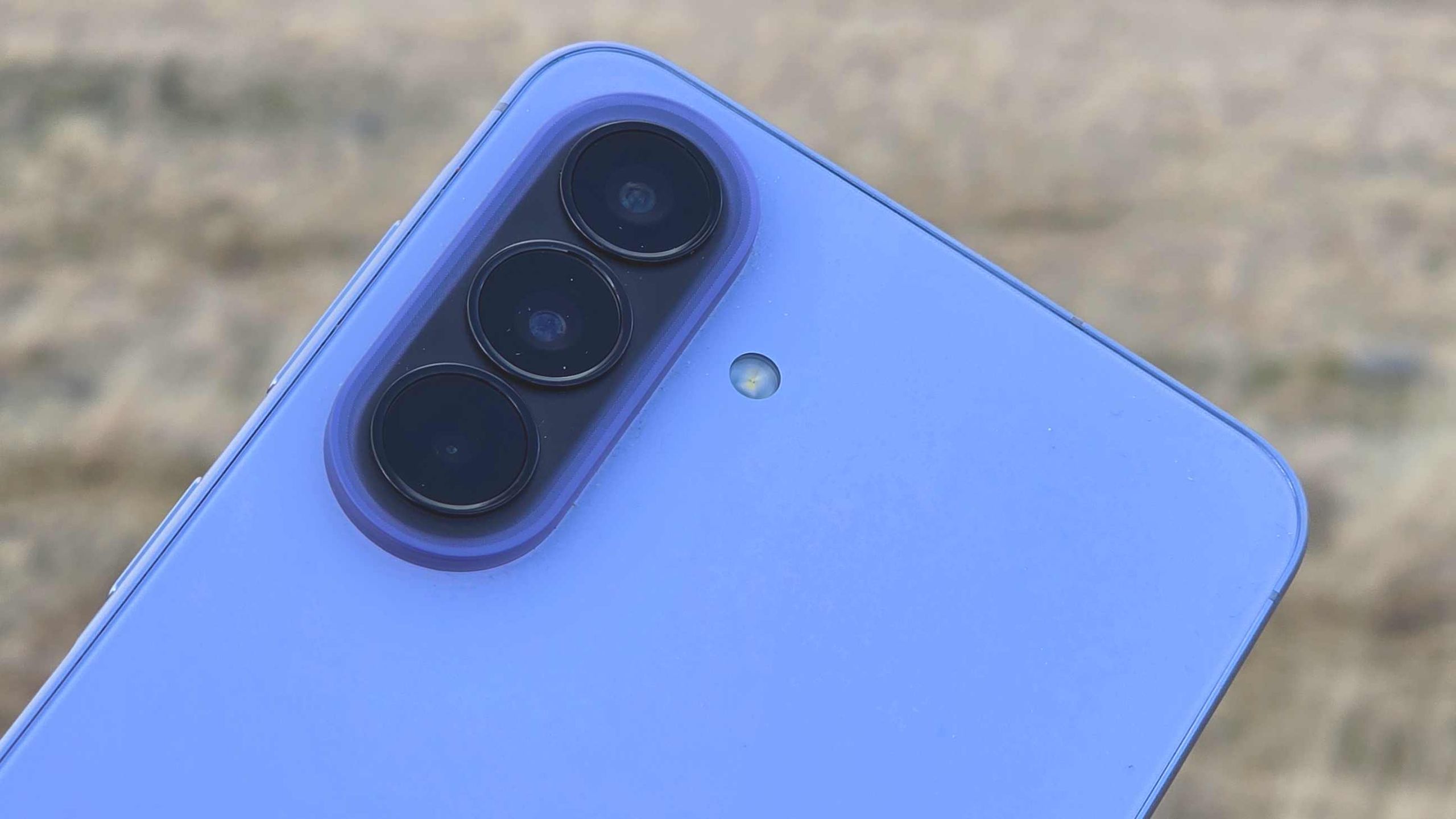

Samsung is reportedly planning to add authentication chips to its Galaxy A Series smartphones in 2025. The move aims to verify genuine batteries, reduce risks from counterfeit replacements, and align with upcoming EU battery regulations.
30 SEC SUMMARY
- Samsung will add authentication chips to Galaxy A Series smartphones starting in 2025.
- The chips will verify genuine batteries and combat counterfeit third-party replacements.
- Around 50 million devices are expected to receive the new security-chipped batteries.
- The initiative aims to improve safety, prevent fires, and support lithium recycling.
- Samsung’s move may prepare it for upcoming EU battery traceability rules.
TABLE OF CONTENTS
- Samsung’s battery authentication plan
- Why authentication matters for safety and compliance
- Industry precedent and Samsung’s strategy
- What this means
- Key takeaways
- FAQ
- Sources
KEY HIGHLIGHTS
- Samsung will introduce authentication chips in Galaxy A Series smartphones in 2025.
- The chips will use Samsung’s 28nm process and VIA PUF technology to create unique identifiers.
- Analog Devices and ICTK will supply the authentication chips.
- Counterfeit batteries pose safety risks; the chips aim to mitigate these dangers.
- The move may help Samsung comply with upcoming EU battery regulations.
Samsung’s battery authentication plan
According to TechRadar, Samsung plans to integrate authentication chips into its Galaxy A Series smartphones beginning in 2025. These chips will verify whether batteries are genuine, targeting the use of counterfeit third-party replacements.
The new security-chipped batteries are expected to be deployed in approximately 50 million devices. Samsung Electronics will manufacture the chips using its 28-nanometer foundry process and VIA PUF (physical unclonable function) technology, which assigns a unique identity to each chip to prevent replication.
Analog Devices (ADI) in the U.S. and ICTK in South Korea will split the supply of the authentication chips.
Why authentication matters for safety and compliance
TechRadar reports that the primary motivation for these chips is to eliminate risks associated with fake batteries, which can damage devices or cause safety hazards like fires. Third-party batteries often fail to meet Samsung’s quality standards, increasing the likelihood of malfunctions or dangerous incidents.
The authentication chips will help distinguish genuine Samsung batteries from counterfeits, potentially preventing fires and other hazards. Additionally, the chips could assist repair technicians in reviewing battery usage history and improving lithium recycling processes.
The initiative may also be a strategic response to upcoming EU regulations. Starting in February 2027, the EU will require phone manufacturers to equip batteries with digital passports for identification, initially targeting industrial and electric vehicle batteries. Samsung’s move could position it ahead of broader compliance requirements.
Industry precedent and Samsung’s strategy
Samsung’s Galaxy A Series plays a key role in its strategy to compete in the U.S. smartphone market, offering a range of devices from budget to mid-tier options. This series directly competes with Apple’s iPhone lineup, which has already adopted battery authentication technology.
Apple introduced authentication chips in 2018 with the launch of the iPhone XS, XS Max, and XR. Samsung’s adoption of similar technology marks a first for its smartphones, reflecting a broader industry shift toward enhancing device safety and regulatory compliance.
What this means
LazyFounders analysis — our interpretation, not reported fact.
For founders and operators, Samsung’s move underscores how hardware security features can serve multiple strategic goals. Beyond protecting users, authentication chips reduce liability risks, improve sustainability efforts like lithium recycling, and prepare products for evolving regulatory landscapes. This is a clear example of how compliance and safety features can become competitive advantages, especially in markets with strict oversight like the EU. Smaller players should note that such investments may soon become table stakes rather than differentiators.
Key takeaways
- Samsung will introduce authentication chips in its Galaxy A Series smartphones in 2025.
- The chips will use VIA PUF technology and Samsung’s 28nm process to verify genuine batteries.
- Around 50 million devices are expected to receive the new security-chipped batteries.
- The move aims to improve safety, prevent fires, and support lithium recycling efforts.
- Samsung may be preparing for upcoming EU battery traceability regulations.
FAQ
Why is Samsung adding authentication chips to its batteries?
Samsung aims to combat counterfeit batteries, which pose safety risks like fires and device damage. The chips will verify genuine batteries and could also help with lithium recycling and compliance with upcoming EU regulations.
Which devices will receive the new authentication chips?
According to reports, Samsung will introduce the chips in its Galaxy A Series smartphones starting in 2025.
How do authentication chips work?
The chips use VIA PUF technology to create a unique identity for each battery, making it difficult to replicate. This helps distinguish genuine batteries from counterfeit ones.
Has any other company implemented similar technology?
Yes, Apple introduced authentication chips in its iPhone XS, XS Max, and XR models in 2018.
Related on LazyFounders
Sources
- TechRadar · 2026-09-23
Samsung is tipped to add security chips to Galaxy phones and begin its crackdown on fake battery replacements
This story is an original summary and analysis written by LazyFounders from the reporting listed above. Facts are attributed to their original publishers; sections marked as analysis are LazyFounders's opinion. Where a source is in another language, facts were machine-translated and quotations are reported, not reproduced. Read the original coverage via the links.
