
Riot Games Delays League of Legends Team Voice Chat Over Quality Concerns
*League of Legends* players will have to wait longer for team voice chat, a feature announced for the game’s 26.20 patch in October 2026. Riot Games delayed the rollout, citing the need to meet quality standards, but did not provide a new timeline or detailed reasons for the decision.
LazyFounders
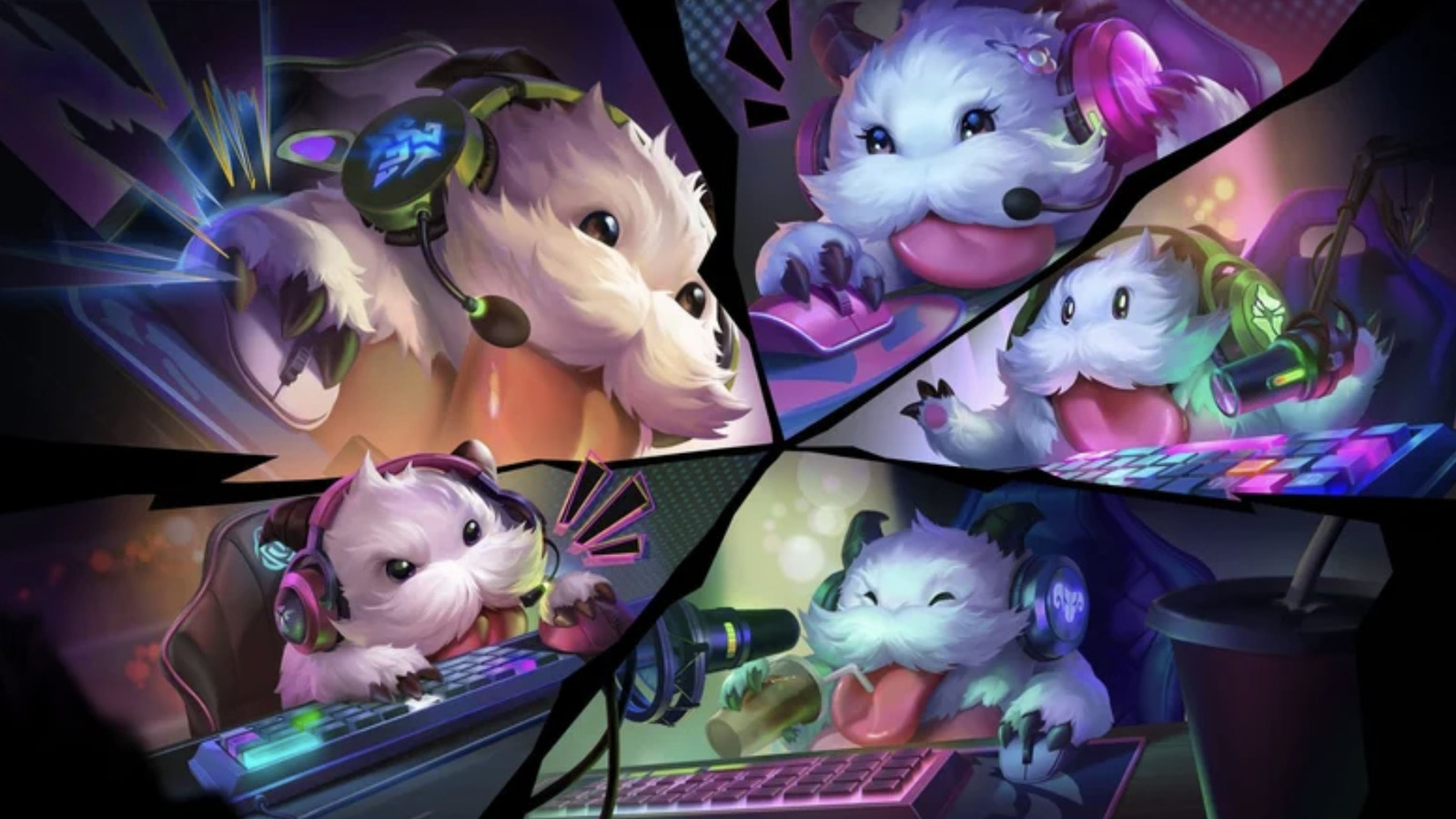

League of Legends players will have to wait longer for team voice chat, a feature announced for the game’s 26.20 patch in October 2026. Riot Games delayed the rollout, citing the need to meet quality standards, but did not provide a new timeline or detailed reasons for the decision.
30 SEC SUMMARY
- Riot Games has delayed the rollout of team voice chat for League of Legends, initially planned for October 2026.
- The company cited the need to meet quality standards but did not provide a revised timeline or specific reasons for the delay.
- League of Legends has a long-standing reputation for toxic in-game behavior, which Riot has been addressing in recent years.
- The voice chat feature was highly anticipated, with players waiting nearly two decades for its introduction.
- Riot’s initial moderation plans included requiring a minimum Honor level to access voice chat.
TABLE OF CONTENTS
- Delay Announced for Team Voice Chat
- Riot’s Statement on the Delay
- Context Behind the Delay
- What this means
- Key takeaways
- FAQ
- Sources
KEY HIGHLIGHTS
- Riot Games has delayed the rollout of team voice chat in League of Legends, originally planned for October 2026.
- The company stated the delay is to ensure the feature meets its quality standards.
- No revised timeline or specific reasons for the delay were provided.
- League of Legends has a history of toxic in-game behavior, which Riot has been addressing in recent years.
- Players have waited 17 years for the voice chat feature, making this delay particularly notable.
Delay Announced for Team Voice Chat
Riot Games has delayed the rollout of team voice chat for League of Legends, which was initially announced for the 26.20 patch in October 2026. The feature was set to launch in select regions, including North America (NA) and Oceania (OCE).
Riot’s Statement on the Delay
According to Engadget, Riot Games announced the delay via social media, stating that the decision was made to ensure the feature meets "the quality bar you deserve." The company did not provide a revised timeline or further details about the reasons behind the delay.
In a statement, Riot’s development team said: "Hey everyone, wanted to get this out separate from today's Patch Notes. We announced Team Voice as coming to NA/OCE in Patch 26.20, but made the call to push it to meet the quality bar you deserve. No new target patch to share yet, but we're making this a priority to get right."
Context Behind the Delay
The delay comes after years of anticipation for in-game voice communication in League of Legends. According to Engadget, players have waited 17 years for this feature, which has been a long-requested addition to the game.
League of Legends has a well-documented history of toxic behavior, including harassment and negative interactions in its community. Riot Games has implemented various measures in recent years to combat this issue, including machine-learning systems and player reporting tools.
Initially, Riot had planned to introduce moderation features for voice chat, such as requiring a minimum Honor level—a metric tied to positive in-game behavior—to access the feature. There were also discussions about a "voice skin" concept, which would allow players to alter how their voice sounds to others, potentially reducing harassment.
What this means
LazyFounders analysis — our interpretation, not reported fact.
For founders and product leaders, Riot’s delay highlights a critical lesson: even highly anticipated features must meet quality and safety standards before launch—especially in communities with a history of toxicity.
This decision underscores the challenge of balancing innovation with user experience. While players may be frustrated by the delay, Riot’s caution reflects the risks of rolling out unmoderated communication tools in competitive environments. For startups building community-driven products, this is a reminder that trust and safety cannot be an afterthought.
The lack of transparency about the delay’s specifics may also frustrate users, but it signals that Riot is prioritizing long-term trust over short-term hype. Founders should take note: in competitive markets, shipping a flawed feature can do more damage than shipping late.
Key takeaways
- Riot Games delayed the team voice chat feature for League of Legends, originally planned for October 2026.
- The company did not provide a revised timeline or specific reasons for the delay.
- Riot emphasized the need to meet quality standards, reflecting caution in a community known for toxic behavior.
- The feature was highly anticipated, with players waiting 17 years for its implementation.
- Riot’s initial moderation plans included requiring a minimum Honor level to access voice chat.
FAQ
Why did Riot Games delay the team voice chat feature?
Riot Games stated the delay is to ensure the feature meets its quality standards. However, the company did not provide specific reasons for the decision.
When was the team voice chat feature originally supposed to launch?
The feature was initially announced for the 26.20 patch in October 2026, for select regions including North America and Oceania.
Will Riot Games provide a new timeline for the voice chat feature?
As of now, Riot Games has not shared a revised timeline for the feature’s launch.
How has Riot Games addressed toxic behavior in League of Legends?
Riot has introduced measures such as machine-learning systems, player reporting tools, and Honor levels to encourage positive behavior. The company had also considered requiring a minimum Honor level to access voice chat.
Related on LazyFounders
Sources
- Engadget · 2026-09-22
Riot Is Pulling Voice Chat From League Of Legends 26.20
This story is an original summary and analysis written by LazyFounders from the reporting listed above. Facts are attributed to their original publishers; sections marked as analysis are LazyFounders's opinion. Where a source is in another language, facts were machine-translated and quotations are reported, not reproduced. Read the original coverage via the links.
