
Plug-In Solar Systems Gain Ground in the U.S. as Affordable Energy Solution
Plug-in solar systems, or balcony solar, are emerging as a cost-effective and accessible way for U.S. households to supplement their energy supply. Popularized in Europe, these compact systems are now gaining traction stateside, with 11 states legalizing them in the past year. They offer a flexible alternative to traditional rooftop solar, particularly for renters and those with limited space.
Editor, LazyFounders
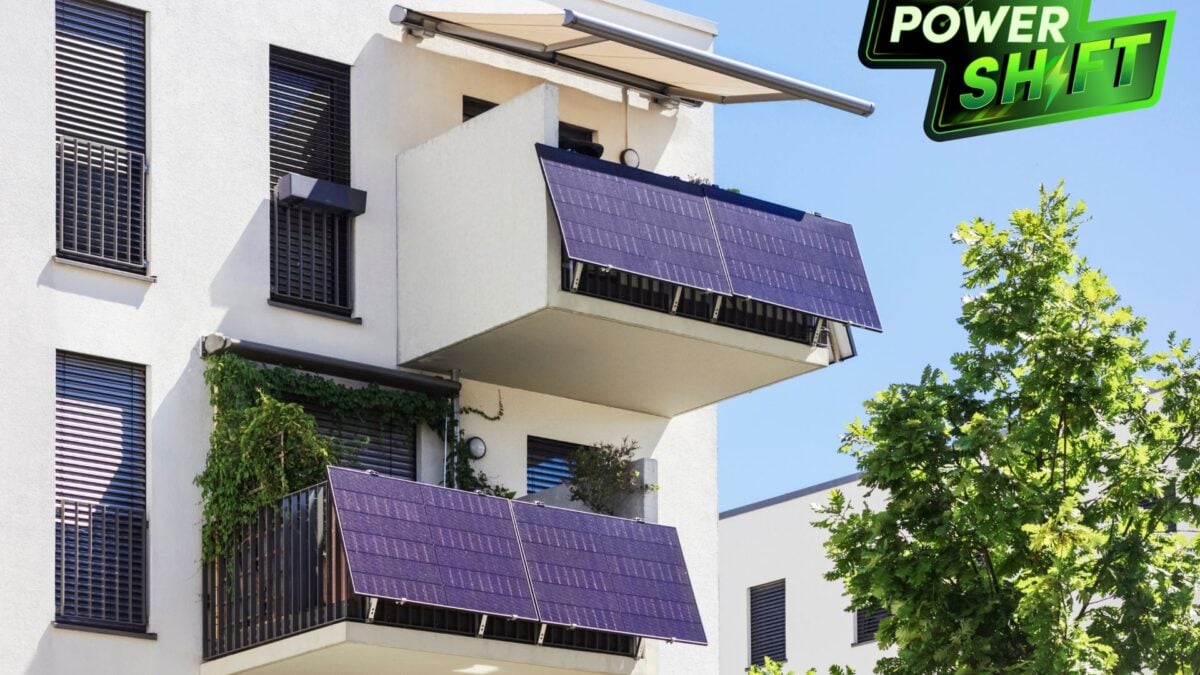

Plug-in solar systems, or balcony solar, are emerging as a cost-effective and accessible way for U.S. households to supplement their energy supply. Popularized in Europe, these compact systems are now gaining traction stateside, with 11 states legalizing them in the past year. They offer a flexible alternative to traditional rooftop solar, particularly for renters and those with limited space.
30 SEC SUMMARY
- Plug-in or balcony solar systems are gaining traction in the U.S. as a cost-effective, DIY-friendly way to supplement home energy supply.
- 11 U.S. states have legalized these systems in the past year, with legislation pending in others.
- A typical 400- to 800-watt system costs $500 to $1,500 and can save $15 to $50 monthly on electric bills.
- These systems are ideal for renters, small spaces, or homes with shaded rooftops.
- Regulations vary by state, and not all states permit plug-in solar systems.
TABLE OF CONTENTS
- Plug-In Solar Systems: A Growing Trend in the U.S.
- Costs and Savings
- Legal Landscape and State Adoption
- What this means
- Key takeaways
- FAQ
- Sources
KEY HIGHLIGHTS
- 11 U.S. states have legalized plug-in solar systems in the past year, with legislation pending in others.
- A typical 400- to 800-watt plug-in solar system costs $500 to $1,500 and can reduce monthly electric bills by $15 to $50.
- These systems are ideal for renters, small spaces, or homes with shaded rooftops, offering a flexible alternative to traditional solar panels.
- Plug-in solar is not yet legal in every state, and regulations vary where it is permitted.
Plug-In Solar Systems: A Growing Trend in the U.S.
Plug-in solar systems, also called balcony solar, are compact setups that connect to a standard wall outlet to supplement a home’s energy supply. According to Gizmodo, these systems are gaining popularity in the U.S. after becoming a common sight in Europe.
The systems are designed for flexibility. They can be installed on balconies, patios, or even garden shed roofs, making them accessible to renters and homeowners with limited space or shaded rooftops.
Ben Paulos, a researcher with the Clean Energy States Alliance, told Gizmodo that his 900-watt plug-in solar system generates about 150 kilowatt-hours of electricity per month. He built the system for roughly 65 cents per watt, and it paid for itself in 18 months.
Costs and Savings
Plug-in solar systems are significantly cheaper than traditional rooftop solar installations. A typical 400- to 800-watt system costs between $500 and $1,500, according to Gizmodo. Users can expect to save $15 to $50 per month on their electricity bills, depending on system size and local energy rates.
While these systems generate less energy than larger rooftop arrays, their affordability and ease of installation make them an attractive option for cost-conscious consumers. They also provide a way to reduce reliance on the grid without a major upfront investment.
Legal Landscape and State Adoption
The legal status of plug-in solar systems varies across the U.S. Gizmodo reports that 11 states have legalized these systems in the past year, including California, Colorado, Utah, Virginia, Maryland, New Jersey, New York, Connecticut, Vermont, New Hampshire, Maine, Massachusetts, and Washington, D.C. Legislation is also under consideration in other states.
However, not all states permit plug-in solar. Even in states where it is legal, regulations differ. For example, most state laws exclude these systems from net-metering programs, which allow solar users to sell excess energy back to the grid. This means buyers should research local rules before purchasing a system.
What this means
LazyFounders analysis — our interpretation, not reported fact.
Plug-in solar systems represent a practical step toward democratizing renewable energy. For founders and operators in the green technology space, this trend signals a growing market for affordable, modular energy solutions that cater to renters, urban dwellers, and cost-conscious consumers.
The rapid legalization of these systems in multiple states also highlights the need for startups to stay ahead of regulatory changes, as compliance and advocacy could become key differentiators. While plug-in solar won’t replace large-scale rooftop installations, it fills a critical gap for those who can’t invest in or install traditional solar panels. For early-stage companies, this could be an opportunity to innovate in areas like financing, installation support, or smart energy management tailored to smaller systems.
Key takeaways
- Plug-in solar systems are a compact, affordable alternative to traditional rooftop solar, generating supplemental energy for homes.
- 11 U.S. states have legalized these systems in the last year, with more considering similar legislation.
- A typical system costs $500 to $1,500 and can save users $15 to $50 per month on electricity bills.
- These systems are especially useful for renters, small spaces, or properties with limited sun exposure.
- Regulations vary by state, and not all states currently permit plug-in solar installations.
FAQ
What is a plug-in solar system?
A plug-in solar system, also known as balcony solar, is a compact solar energy setup that connects to a standard household electrical outlet. It supplements a home’s energy supply and is designed for easy installation in small spaces like balconies or patios.
How much does a plug-in solar system cost?
A typical 400- to 800-watt plug-in solar system costs between $500 and $1,500. Users can expect to save $15 to $50 per month on their electricity bills, depending on the system’s size and local energy rates.
Where are plug-in solar systems legal in the U.S.?
As of the past year, 11 U.S. states have legalized plug-in solar systems, including California, Colorado, Utah, Virginia, Maryland, New Jersey, New York, and several New England states. Legislation is pending in other states, but regulations vary where these systems are permitted.
Can renters use plug-in solar systems?
Yes, plug-in solar systems are particularly well-suited for renters. They require minimal space and can be installed on balconies, patios, or other small areas without permanent modifications to the property.
Do plug-in solar systems qualify for net-metering?
Most state laws exclude plug-in solar systems from net-metering, which allows solar users to sell excess energy back to the grid. Buyers should check local regulations to understand how these systems are treated in their area.
Related on LazyFounders
Sources
- Gizmodo · 2026-09-25
The Balcony Solar Craze Has Reached the US. Here’s What to Know Before You Buy
This story is an original summary drafted with AI by LazyFounders from the reporting listed above and checked by automated validation. Facts are attributed to their original publishers; sections marked as analysis are LazyFounders's. Where a source is in another language, facts were machine-translated and quotations are reported, not reproduced. Read the original coverage via the links, and see our AI policy and corrections policy.
Get the LazyFounder Brief
Startup, funding and AI news in a five-minute read. Join the early-access list.
