
Meta Platforms Under Scrutiny: NCPCR Launches Inquiry Over CSEAM Ads on Instagram
In 2026, Meta Platforms faces a formal inquiry by India's NCPCR over allegations of CSEAM ads on Instagram. This follows a BBC Eye investigation revealing explicit ads directing to Telegram channels selling illegal material.
LazyFounders
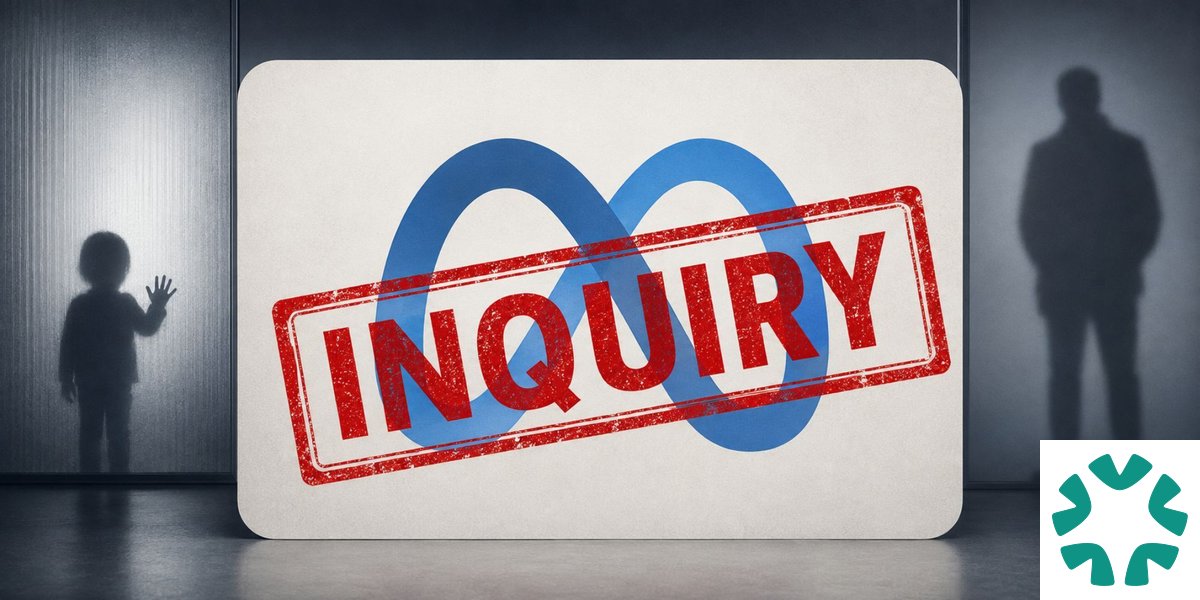

Meta Platforms Under Scrutiny: NCPCR Launches Inquiry Over CSEAM Ads on Instagram
30 SEC SUMMARY
In 2026, Meta Platforms is under investigation by India's National Commission for Protection of Child Rights (NCPCR) for allegedly allowing Child Sexual Exploitative and Abuse Material (CSEAM) ads on Instagram. This follows a BBC Eye investigation revealing explicit ads directing to Telegram channels selling illegal material. The inquiry marks a significant escalation from preliminary inquiries to a formal fact-finding process.
TABLE OF CONTENTS
- Introduction
- Background of the Inquiry
- NCPCR's Role and Mandate
- Meta's Response
- Legal Implications
- What CSEAM Means
- Platform Compliance and Detection
- Broader Implications for the Platform Economy
- FAQs
- Conclusion
- Call-to-Action
Introduction
In 2026, Meta Platforms, Inc. finds itself at the center of a formal inquiry by India's National Commission for Protection of Child Rights (NCPCR). The inquiry stems from allegations that advertisements linked to CSEAM appeared on Instagram in India. This marks a significant escalation from preliminary inquiries to a formal fact-finding process by India's apex child rights body.
Background of the Inquiry
The NCPCR took suo motu cognisance of a BBC Eye investigation which reported that paid advertisements containing explicit terms were being served on Instagram in India. These ads allegedly directed users to Telegram channels where illegal material was being sold. Following a notice issued on 3 July 2026, Meta filed its reply roughly a week later. However, the Commission has decided that the response does not close the matter and that the facts need to be independently established.
NCPCR's Role and Mandate
The NCPCR is a statutory body constituted under the Commissions for Protection of Child Rights Act, 2005. It is mandated to monitor the implementation of several key acts, including the Protection of Children from Sexual Offences Act, 2012, the Juvenile Justice Act, 2015, and the Right to Education Act, 2009. Its inquiry runs parallel to a separate line of action by the Ministry of Electronics and Information Technology (MeitY).
Meta's Response
On 4 July 2026, MeitY issued its own notice to Meta, directing officials to summon the company. The ministry ordered Instagram to disable all advertisements and content promoting or facilitating access to CSEAM, and gave Meta seven days to explain how such advertisements had cleared its review systems. Meta filed its reply on 13 July 2026, which is currently under examination.
Legal Implications
The central question of the NCPCR inquiry is how violating advertisements passed Meta's paid advertising pipeline, which the company claims involves both automated and manual review before publication, followed by continuous monitoring after an advertisement goes live. Legal experts point out that paid advertisements may attract sharper scrutiny than ordinary user posts because a platform reviews, approves, and distributes them, and earns revenue from them. Section 67B of the Information Technology Act makes publishing or transmitting material depicting children in sexually explicit acts in electronic form a punishable offence.
What CSEAM Means
CSEAM refers to material containing sexual images, in any form, of a child who is abused or sexually exploited. Indian agencies now prefer the term over older phrasing, because words like child pornography imply a category of legitimate adult content, when the material is in fact evidence of a crime against a child.
Platform Compliance and Detection
For Meta, the NCPCR inquiry means a second Indian authority now holds an open file on the same set of facts, with the power to summon records and examine witnesses. Platforms use hash matching, which compares uploads against digital fingerprints of previously identified material, alongside machine learning to flag content not seen before. Under the POCSO Act, reporting is mandatory rather than discretionary.
Broader Implications for the Platform Economy
The outcome of the NCPCR inquiry will indicate how far regulators are willing to treat advertising systems as a distinct area of liability, separate from the safe harbour arguments that usually apply to user-generated content. For the broader platform economy in India, this could set a precedent for future regulatory actions.
FAQs
What is CSEAM?
CSEAM refers to material containing sexual images of a child who is abused or sexually exploited.
Why is Meta Platforms under scrutiny?
Meta Platforms is under scrutiny for allegedly allowing CSEAM ads on Instagram in India.
What role does the NCPCR play?
The NCPCR is India's apex child rights body, mandated to monitor the implementation of several child protection acts.
Conclusion
The NCPCR's inquiry into Meta Platforms over CSEAM ads on Instagram highlights the growing regulatory scrutiny on tech platforms in India. The outcome will have significant implications for both Meta and the broader platform economy, setting a precedent for how advertising systems are regulated.
Call-to-Action
For more insights on tech regulation and platform compliance, visit blogy.in.
Sources
This story is an original summary and analysis written by LazyFounders from the reporting listed above. Facts are attributed to their original publishers; sections marked as analysis are LazyFounders's opinion. Where a source is in another language, facts were machine-translated and quotations are reported, not reproduced. Read the original coverage via the links.
