
Investing in India's Real Estate Boom: Opportunities for NRIs in 2026
Explore the evolving real estate market in India for NRIs in 2026. Learn about the economic growth, infrastructure developments, and investment opportunities.
LazyFounders
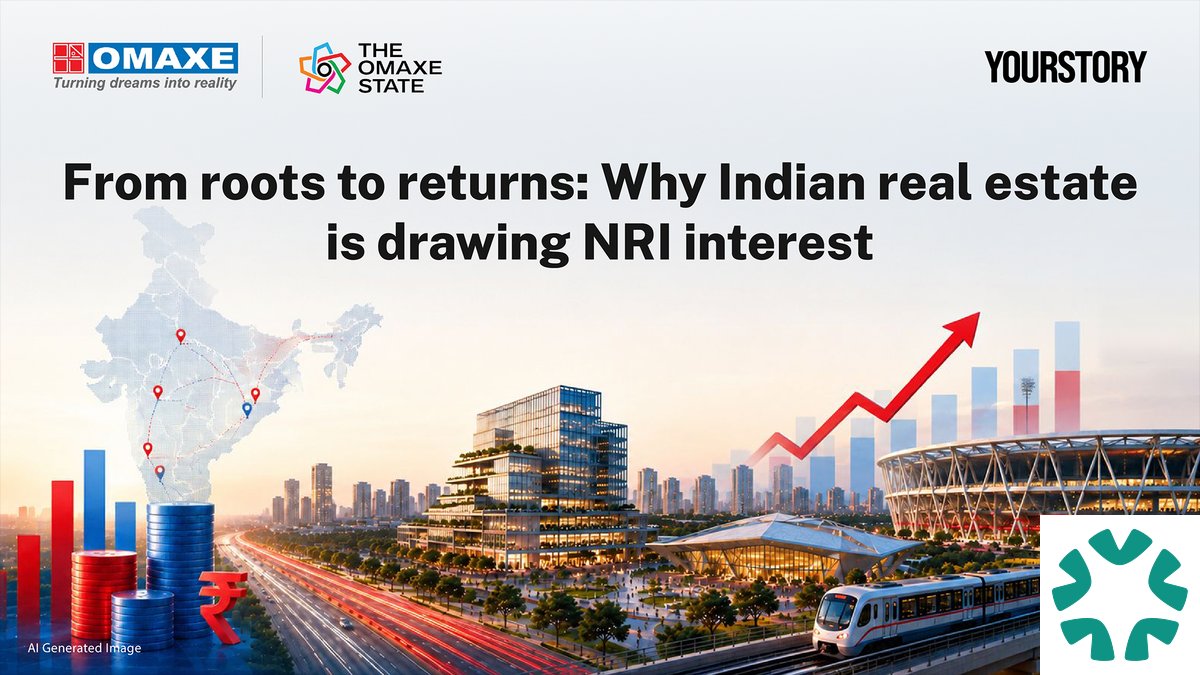

Investing in India's Real Estate Boom: Opportunities for NRIs in 2026
30 SEC SUMMARY
In 2026, India's real estate market is experiencing significant growth, driven by urbanization and infrastructure development. For NRIs, this presents unique investment opportunities beyond traditional residential properties, including commercial districts and emerging urban destinations.
TABLE OF CONTENTS
- Introduction
- Economic Growth and Real Estate Expansion
- Investment Motivations for NRIs
- Infrastructure-Led Growth
- The Rise of Destination Real Estate
- Case Study: The Omaxe State in Dwarka
- Digital Facilitation for NRIs
- Conclusion
- FAQs
KEY HIGHLIGHTS
- India's real estate market is projected to grow from $290 billion to $970 billion by 2030.
- NRIs are increasingly investing in commercial real estate and emerging urban destinations.
- Infrastructure developments like Yashobhoomi are creating new economic hubs.
- Integrated developments like The Omaxe State are becoming popular investment destinations.
- Digital tools are making remote property investment easier for NRIs.
Introduction
For generations, buying property in India has held an emotional significance for Indians living overseas. It symbolizes a connection to family, a place to return, or a legacy for future generations. However, the economic landscape is evolving, and the real estate market is expanding rapidly.
Economic Growth and Real Estate Expansion
India's real estate industry is poised for significant growth. According to a joint KPMG-NAREDCO study, the market could expand from $290 billion in 2025 to $970 billion by 2030. This growth is fueled by urbanization, infrastructure development, rising incomes, and increased institutional participation.
Investment Motivations for NRIs
For non-resident Indians (NRIs), real estate investment in India is shifting from a sentimental connection to a strategic opportunity. Factors such as portfolio diversification, wealth creation, and future family use are driving sustained investment. Additionally, a weaker rupee enhances affordability for overseas buyers.
Infrastructure-Led Growth
Real estate development is closely tied to infrastructure. Major infrastructure projects can transform commute patterns and create new economic activities. For example, Delhi-NCR has seen substantial commercial and retail leasing growth.
Delhi-NCR's Commercial and Retail Growth
In the second quarter of 2026, Delhi-NCR recorded 4.1 million sq ft of office leasing and 0.7 million sq ft of retail leasing, up 13% quarter on quarter and more than 1.2X year on year. Mall vacancy declined to 7.2%, with fashion and food and beverage leading demand categories.
The Rise of Destination Real Estate
Consumers now expect more from physical spaces. The traditional shopping mall model is evolving into integrated destinations that combine retail, dining, entertainment, and social experiences.
Case Study: The Omaxe State in Dwarka
The Omaxe State in Dwarka exemplifies this shift. Developed through a public-private partnership between the Delhi Development Authority and Worldstreet Sports Center, a subsidiary of Omaxe Ltd, the 50.4-acre development integrates sports, retail, food, hospitality, and entertainment.
Key Features
- A 30,000-seat international cricket and football stadium
- Indoor sporting facilities
- Retail spaces
- Restaurants
- Entertainment infrastructure
Digital Facilitation for NRIs
Buying property in India while living abroad has become more practical. Digital documentation, RERA disclosures, online payments, and Power of Attorney-based processes have simplified remote transactions.
Conclusion
The real estate market in India is transforming, offering NRIs unique investment opportunities beyond traditional residential properties. With infrastructure-led growth and integrated developments, the market presents a compelling case for strategic investment.
FAQs
What are the main factors driving real estate investment in India for NRIs?
The main factors include portfolio diversification, wealth creation, future family use, and the impact of a weaker rupee on affordability.
How is infrastructure influencing real estate growth in India?
Infrastructure projects like new roads, metro lines, and convention centers are transforming commute patterns and creating new economic activities, driving real estate growth.
What role do integrated developments play in real estate investment?
Integrated developments that combine retail, dining, entertainment, and social experiences are becoming popular as they offer multiple reasons to visit and create destination-like environments.
Call-to-Action
For more insights on investing in India's booming real estate market, visit blogy.in.
Sources
This story is an original summary and analysis written by LazyFounders from the reporting listed above. Facts are attributed to their original publishers; sections marked as analysis are LazyFounders's opinion. Where a source is in another language, facts were machine-translated and quotations are reported, not reproduced. Read the original coverage via the links.
