
Huawei Watch D3 Launches with Medical-Grade Health Monitoring
Huawei has launched the Watch D3, a smartwatch designed to deliver medical-grade health monitoring in a wearable form factor. With features like blood pressure tracking, ECG, and CE-MDR certification, the D3 targets users seeking clinical insights—but at the cost of comfort and design.
LazyFounders
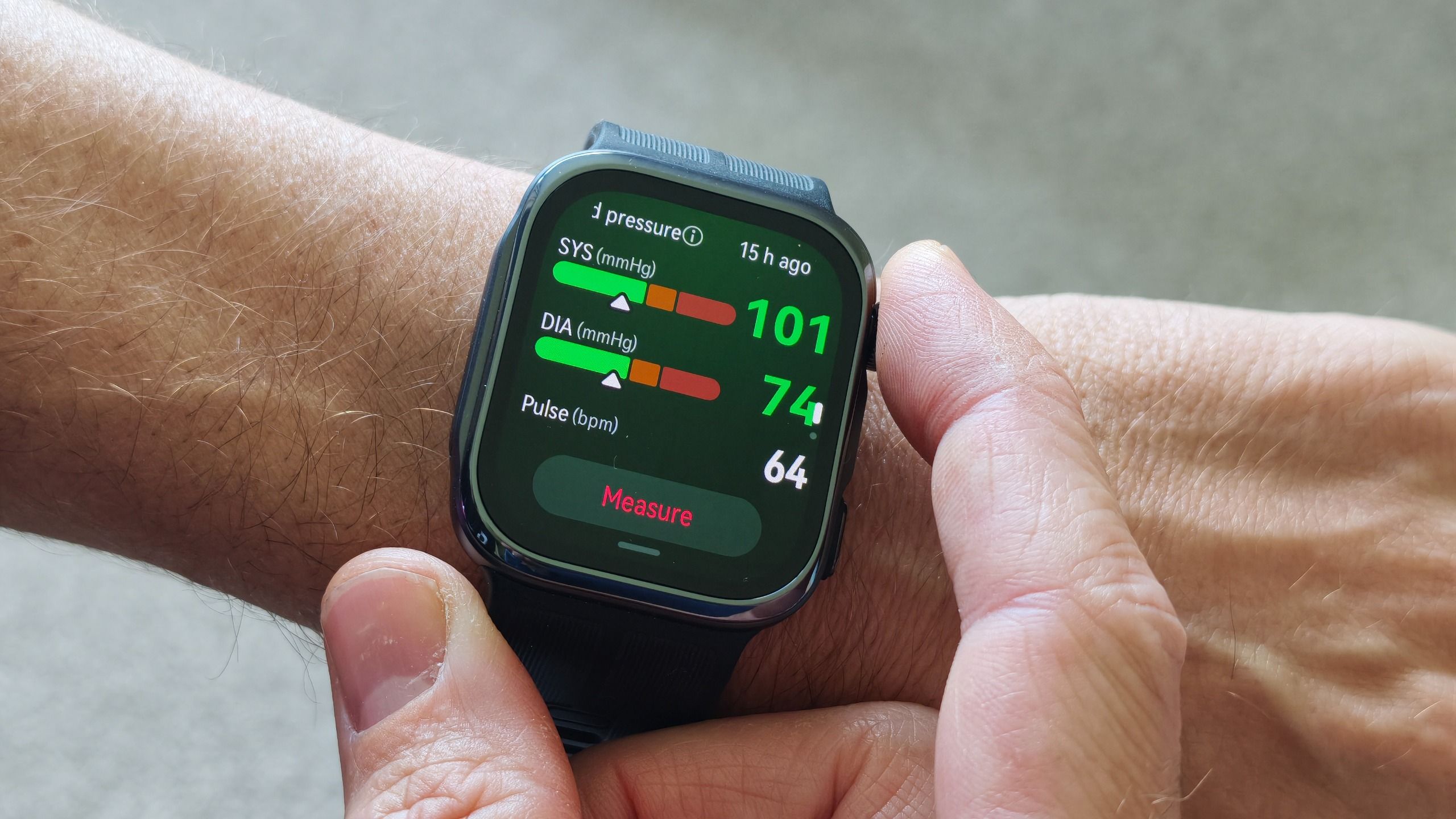

Huawei has launched the Watch D3, a smartwatch designed to deliver medical-grade health monitoring in a wearable form factor. With features like blood pressure tracking, ECG, and CE-MDR certification, the D3 targets users seeking clinical insights—but at the cost of comfort and design.
30 SEC SUMMARY
- Huawei has launched the Watch D3, a smartwatch focused on medical-grade health monitoring, including blood pressure tracking via an inflatable cuff, ECG, and arterial stiffness detection.
- The device has received CE-MDR certification for medical devices, reinforcing its credibility in health tech.
- Priced at £399, the Watch D3 is £50 more expensive than its predecessor at launch, reflecting its advanced features.
- Battery life varies: 1 day with blood pressure monitoring enabled or 6 days without, alongside over 100 workout modes and smart features.
- The design prioritizes medical functionality over comfort, resulting in a bulkier device compared to traditional smartwatches.
TABLE OF CONTENTS
- A Medically Certified Smartwatch
- Trade-Offs for Medical Accuracy
- Performance and User Experience
- Pricing and Availability
- What this means
- Key takeaways
- FAQ
- Sources
KEY HIGHLIGHTS
- Huawei Watch D3 introduces blood pressure monitoring via an inflatable cuff, ECG, and arterial stiffness detection.
- The device is CE-MDR certified for medical use, a first for the D series.
- Priced at £399, the D3 is £50 more expensive than its predecessor at launch.
- Battery life ranges from 1 day with blood pressure monitoring to 6 days without.
- The design is bulkier and less comfortable than traditional smartwatches, reflecting its medical focus.
A Medically Certified Smartwatch
According to TechRadar, the Huawei Watch D3 is a smartwatch designed to deliver medical-grade health monitoring. It includes blood pressure tracking via an inflatable cuff, pulse wave arrhythmia analysis, beat-by-beat ECG, and arterial stiffness detection. These features aim to provide users with clinical insights traditionally reserved for dedicated medical devices.
The Watch D3 has received CE-MDR certification, a regulatory milestone that distinguishes it from most consumer wearables. This certification suggests Huawei is positioning the device as a tool for health management rather than just fitness tracking.
Trade-Offs for Medical Accuracy
The D3’s emphasis on medical functionality comes with trade-offs. According to TechRadar, the watch is bulkier and less comfortable than typical smartwatches, a consequence of integrating an inflatable cuff and other advanced sensors. Huawei has reduced its thickness to 11.3mm—2mm thinner than its predecessor—but the design still prioritizes function over form.
The display is a 1.92-inch AMOLED panel with 3000 nits of peak brightness, but it lacks the edge-to-edge design seen in competitors like Apple. Additionally, the device does not include GPS, a feature often standard in premium smartwatches.
Performance and User Experience
In testing, TechRadar reported that the D3’s heart rate monitoring was slightly slower to adjust compared to dedicated heart rate monitors. However, the watch compensates with over 100 workout modes and smart features like Bluetooth calling, NFC payments, and voice note recording.
Battery life varies depending on usage. With ambulatory blood pressure monitoring (ABPM) enabled, the D3 lasts approximately 1 day. Without ABPM, it can extend to 6 days, a notable improvement but still limited compared to non-medical smartwatches.
Users can generate and share health reports directly from the Huawei Health app, a feature designed to integrate the D3 into clinical workflows. This functionality could appeal to users managing chronic conditions or those who regularly consult healthcare providers.
Pricing and Availability
The Huawei Watch D3 is priced at £399, £50 more than its predecessor at launch. This premium reflects its medical capabilities and certification, positioning it as a niche product for health-conscious consumers.
Huawei is sweetening the deal for early adopters: purchases made before September 22, 2027, include 10 months of Bupa Well+ health services, a partnership that adds value for users seeking comprehensive health monitoring.
What this means
LazyFounders analysis — our interpretation, not reported fact.
The Huawei Watch D3 is a bold step toward blending medical-grade monitoring with wearable technology. For founders and operators in health tech, this launch signals a growing market for devices that bridge lifestyle and clinical utility—but it also highlights the trade-offs required to achieve medical certification.
The D3’s focus on accuracy and certification (e.g., CE-MDR) could set a precedent for competitors like Apple, which have largely avoided regulatory scrutiny by positioning their wearables as fitness tools rather than medical devices. However, the bulkier design and shorter battery life underscore the challenges of integrating advanced sensors without compromising user experience.
For startups in this space, the D3’s reception will be a test case: Can consumers accept a less sleek device in exchange for medical-grade insights? If so, it could open doors for niche products targeting chronic condition management. If not, it may reinforce the need for subtler, more scalable solutions that balance form and function.
Key takeaways
- The Huawei Watch D3 is designed for medical-grade monitoring, including blood pressure, ECG, and arterial stiffness detection, with CE-MDR certification.
- Priced at £399, the D3 is aimed at health-conscious users willing to pay a premium for advanced features.
- The device’s design sacrifices comfort and aesthetics for medical accuracy, resulting in a bulkier profile.
- Battery life and user experience trade-offs highlight the challenges of integrating clinical-grade sensors into wearables.
- Early adopters who purchase before September 22, 2027, receive 10 months of Bupa Well+ health services, adding value to the purchase.
FAQ
What medical features does the Huawei Watch D3 offer?
The Watch D3 includes blood pressure monitoring via an inflatable cuff, beat-by-beat ECG, pulse wave arrhythmia analysis, and arterial stiffness detection. It is also CE-MDR certified for medical use.
How does the D3’s battery life compare to other smartwatches?
Battery life varies significantly based on usage. With blood pressure monitoring enabled, the D3 lasts about 1 day. Without it, battery life extends to 6 days—shorter than many non-medical smartwatches but improved from its predecessor.
Is the Huawei Watch D3 comfortable to wear?
According to reviews, the D3 is bulkier and less comfortable than traditional smartwatches. Huawei prioritized medical functionality, which resulted in a thicker design and reduced ergonomics.
How does the D3 compare to Apple Watch or other competitors?
Unlike Apple Watch, which focuses on fitness and lifestyle, the D3 emphasizes medical-grade monitoring and regulatory certification. This makes it a niche product for users who prioritize clinical accuracy over sleek design or broader smart features.
Related on LazyFounders
Sources
- TechRadar · 2026-09-23
I tested Huawei's new blood pressure-monitoring watch with a real inflatable cuff inside its strap, and its the best option yet for this health measurement
This story is an original summary and analysis written by LazyFounders from the reporting listed above. Facts are attributed to their original publishers; sections marked as analysis are LazyFounders's opinion. Where a source is in another language, facts were machine-translated and quotations are reported, not reproduced. Read the original coverage via the links.
