
Empowering Women in India's Recycling Industry: A 2026 Vision
Explore how India's recycling industry can empower women in 2026. Learn about the transition from informal to skilled technical roles and the impact on the economy.
LazyFounders

30 SEC SUMMARY
Empowering women in India's recycling industry is crucial for sustainable growth. By transitioning from informal to skilled technical roles, the sector can offer stable employment, career growth, and financial stability, transforming both the workforce and the perception of industrial jobs.
TABLE OF CONTENTS
KEY HIGHLIGHTS
- Women have been central to India's recycling economy for decades.
- The recycling industry is expanding rapidly, offering new opportunities for women.
- Structured training and mentorship can help women transition to technical roles.
- Empowering women in recycling can lead to broader economic and social benefits.
INTRODUCTION
For decades, women have been the backbone of India's recycling economy. They have collected, sorted, and recovered recyclable materials from homes, streets, and dumpsites, playing a fundamental role in keeping valuable resources in circulation. Despite their indispensable contribution, much of this work remains in the informal sector, where incomes are uncertain, working conditions are difficult, and career growth opportunities are limited.
THE ROLE OF WOMEN IN INDIA'S RECYCLING ECONOMY
Women's involvement in recycling predates the concept of a circular economy. Their work has been essential in maintaining the flow of recyclable materials long before it became a mainstream business conversation. This informal work has sustained the recycling ecosystem, yet it often lacks the stability and growth potential that formal employment offers.
CURRENT CHALLENGES
The informal sector in India's recycling industry faces significant challenges. Incomes are often unpredictable, working conditions are harsh, and career advancement is minimal. According to the latest Periodic Labour Force Survey, only 9.3 per cent of rural women workers are in regular wage or salaried employment, highlighting the need for structured opportunities.
OPPORTUNITIES FOR WOMEN IN RECYCLING
The recycling industry is evolving rapidly, with more facilities coming online and technology transforming how plastic waste is processed. By 2025, India had over 2,800 registered plastic waste processors, processing more than 100 lakh tonnes of plastic waste by the end of 2024.
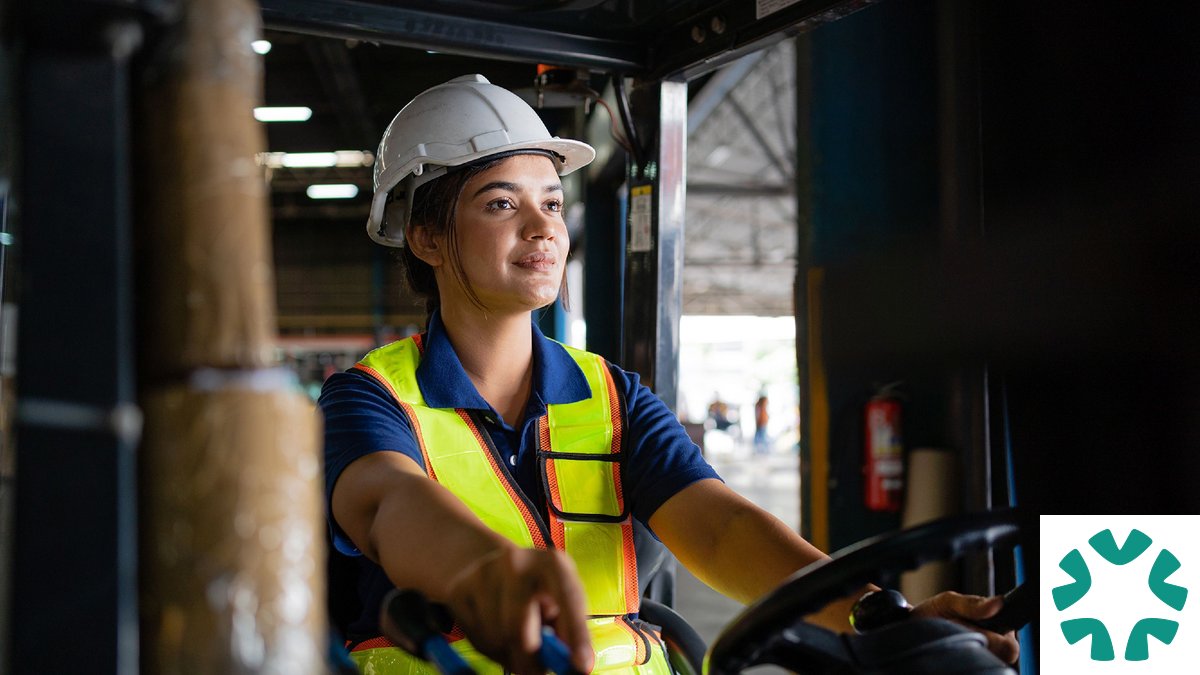
Today's recycling facilities require skilled workers who can operate machines, monitor production, inspect quality, handle forklifts, and maintain equipment. These roles offer stable employment, regular incomes, and clear career pathways—something many women in the informal sector have rarely had access to.
THE PATH FORWARD
The industry is uniquely positioned to address the gap in employment quality for rural women. Recycling facilities are often located near smaller towns and industrial clusters where employment opportunities remain limited. With structured training, women can learn machine operations, quality control, forklift handling, electrical systems, and mechanical processes.
Most women are not held back by a lack of ability but by limited access to learning these skills. With the right environment, practical exposure, and mentorship, they can perform technical responsibilities across the recycling value chain. Recycling companies need to invest in developing this talent, particularly in communities around their facilities, and make structured training programs, apprenticeships, and continuous skill development integral to workforce planning.
BENEFITS BEYOND THE WORKPLACE
A skilled technical job provides financial stability for families, increases economic independence, and encourages more women within the same community to consider industrial careers. It also changes how people perceive manufacturing itself. When young women see machine operators, forklift drivers, or production supervisors from backgrounds similar to their own, those roles begin to feel achievable rather than exceptional.
CONCLUSION
The future of India's recycling industry will depend on technology, investment, and policy. It will also depend on people. Ensuring more women have the opportunity to become operators, technicians, quality professionals, and future plant leaders will make the sector stronger, more resilient, and better prepared for the demands of a truly circular economy.
FAQ
What role do women play in India's recycling industry?
Women have been central to India's recycling economy for decades, collecting, sorting, and recovering recyclable materials from homes, streets, and dumpsites.
What challenges do women face in the informal recycling sector?
Women in the informal sector face uncertain incomes, difficult working conditions, and limited career growth opportunities.
How can the recycling industry empower women?
The recycling industry can empower women by providing structured training, mentorship, and creating pathways for career progression from operators to plant managers.
CALL-TO-ACTION
Discover more about how you can support women in the recycling industry by visiting blogy.in.
Sources
This story is an original summary and analysis written by LazyFounders from the reporting listed above. Facts are attributed to their original publishers; sections marked as analysis are LazyFounders's opinion. Where a source is in another language, facts were machine-translated and quotations are reported, not reproduced. Read the original coverage via the links.
