
D2C Expansion Strategies: Insights from Dot & Key and More
Discover D2C expansion strategies in 2026 with insights from Dot & Key, Nothing, and more. Learn about omnichannel models and distribution channels.
LazyFounders

D2C Expansion Strategies: Insights from Dot & Key and More
30 SEC SUMMARY
In 2026, D2C brands like Dot & Key and Nothing are redefining expansion strategies. Dot & Key only went offline after achieving significant online success, while Nothing expanded retail presence to 15,000 stores. These strategies highlight the importance of digital demand creation before offline expansion.
TABLE OF CONTENTS
Introduction
The Indian startup ecosystem is buzzing with innovative strategies to expand Direct-to-Consumer (D2C) brands. In 2026, companies like Dot & Key, Nothing, Lahori Zeera, and Aza Fashions are setting new benchmarks in D2C expansion. This article delves into their unique approaches to offline retail and distribution channels.
Dot & Key’s Offline Expansion Strategy
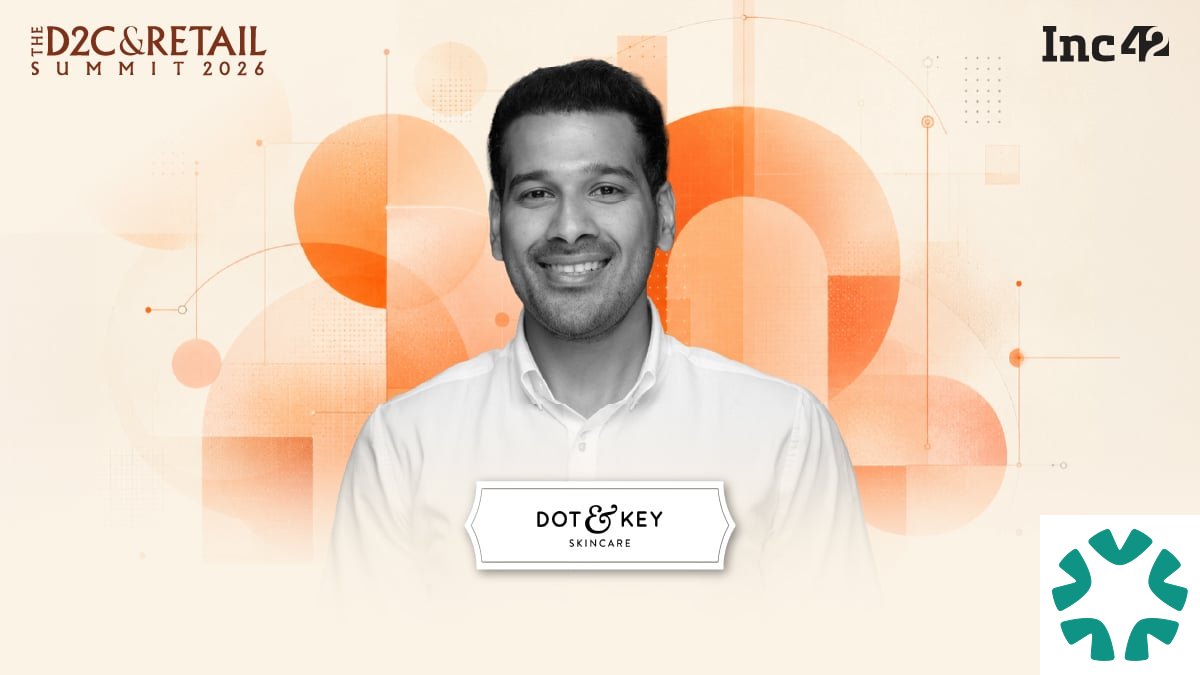
Dot & Key, an online-first skincare brand, waited until it reached ₹250 Cr to ₹300 Cr in revenue and established online category leadership before expanding offline. Speaking at Inc42’s ‘The D2C & Retail Summit 2026’, CEO Suyash Saraf emphasized the importance of building mental availability online before going offline.
Nothing’s Retail Expansion
Nothing, the smartphone maker, has expanded its retail presence from 4,000 to 15,000 stores as its audience and marketing mix evolved. Cofounder and India president Akis Evangelidis noted that not going offline would be an opportunity cost. Nothing has also started opening its own stores to let consumers experience its products firsthand.
Lahori Zeera’s Distribution Model
Lahori Zeera, a beverage company, began with offline distribution before adopting D2C and quick commerce. Now producing 1.2 Cr bottles a day, it works with more than 3,000 distributors across 18-19 states. COO Nikhil Doda highlighted the use of sales force automation to manage inventory and sales trends.
Aza Fashions’ Luxury Distribution Approach
Aza Fashions focuses on luxury distribution, where consumer trust and service standards are crucial. MD Devangi Nishar Parekh explained that social media helped build trust, while timely delivery, product accuracy, and packaging are vital for customer retention.
KEY HIGHLIGHTS
- Dot & Key only went offline after achieving significant online success.
- Nothing expanded its retail presence to 15,000 stores.
- Lahori Zeera uses sales force automation to manage its distribution network.
- Aza Fashions emphasizes consumer trust and service standards in luxury distribution.
FAQs
**Q: Why did Dot & Key wait to go offline? **A: Dot & Key waited until it reached ₹250 Cr to ₹300 Cr in revenue and established online category leadership to ensure existing consumer awareness before expanding offline.
**Q: What is Nothing’s retail strategy? **A: Nothing expanded its retail presence from 4,000 to 15,000 stores and has started opening its own stores to let consumers experience its products.
**Q: How does Lahori Zeera manage its distribution? **A: Lahori Zeera uses sales force automation to replenish retail outlets, monitor sales trends, and manage inventory movement.
Conclusion
In 2026, D2C brands are adopting diverse strategies to expand offline. Dot & Key’s approach underscores the importance of digital demand creation, while Nothing and Lahori Zeera highlight the evolution of retail strategies. Aza Fashions’ focus on luxury distribution shows the varied paths brands can take to succeed in different market segments.
Call-to-Action
Stay ahead with the latest news, funding, startup financials, and government policies on the hottest tech industries in the Indian startup ecosystem. Get featured, partner, or work with India's #1 startup media & intelligence platform and explore what else Inc42 has to offer.
Sources
- inc42.com · 2026-08-19
Why Dot & Key Waited Until ₹300 Cr Revenue Before Going Offline
This story is an original summary and analysis written by LazyFounders from the reporting listed above. Facts are attributed to their original publishers; sections marked as analysis are LazyFounders's opinion. Where a source is in another language, facts were machine-translated and quotations are reported, not reproduced. Read the original coverage via the links.
