
Balancing AI and Human Skills in 2026: Insights from Microsoft India
Discover how Microsoft India is balancing AI adoption with human skills in 2026. Learn insights from Puneet Chandok on maintaining the human edge.
LazyFounders

30 SEC SUMMARY
In 2026, Microsoft India emphasizes the importance of balancing AI adoption with human analytical skills. Puneet Chandok highlights the need for maintaining human qualities like empathy and sense-making while leveraging AI tools like copilots to enhance analytical skills.
TABLE OF CONTENTS
KEY HIGHLIGHTS
- India leads in combining AI with strong human judgment.
- Microsoft’s copilot enhances analytical skills by promoting curiosity and reasoning.
- A shift towards dynamic portfolio careers for the younger generation.
- Focus on ROI and redesigning workflows for human-AI collaboration.
- Importance of contextualizing AI models for specific enterprise needs.
Introduction
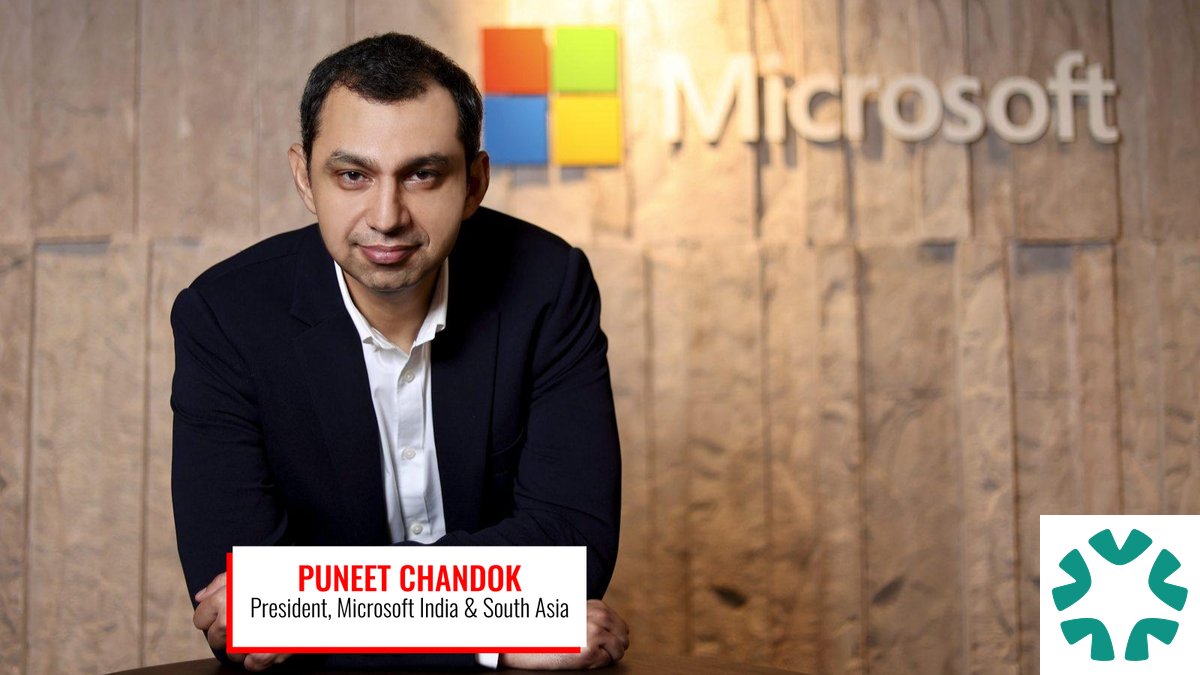
The pressure to adopt and adapt to AI tools is higher than ever for modern enterprises. Puneet Chandok, President of Microsoft India & South Asia, stresses the importance of balancing AI capabilities with uniquely human qualities. This balance is crucial for maintaining the human analytical edge in the evolving workplace.
The Human-AI Barbell
Puneet Chandok describes the modern workforce as navigating a new world shaped by the human-AI barbell. On one end, we have technical AI capabilities, while on the other, we have human qualities like empathy, curiosity, and emotional intelligence. Chandok emphasizes that maintaining this balance is essential for thriving in the future of work.
Navigating the Future of Work
During an event in Bengaluru, Chandok provided a blueprint for navigating the future of work. He believes that with tools like the copilot, individuals can sharpen their analytical skills by actively interrogating and reasoning with the tool. This interaction not only enhances one’s mind but also prevents skill atrophy. Chandok calls the copilot his ‘guardian angel’ that amplifies his capabilities while ensuring he doesn’t lose touch with human qualities.
AI Skills for the New Tech Landscape
In the new tech landscape, AI skills are essential for graduates to succeed. Chandok advises the younger generation to master AI skills while continuing to develop human skills like empathy and sense-making. He also encourages them to embrace dynamic portfolio careers, allowing them to explore multiple paths without the traditional corporate ladder.
Changing Corporate Operating Models
Corporate operating models are evolving to integrate human and AI capital effectively. Three key shifts are driving this change:
- ROI Focus: Clear AI ambitions with a path to return on investment are essential.
- Reimagining Work: Workflows must be redesigned to leverage 24/7 AI capabilities without ego, breaks, or sleep.
- Skilling Leaders and Employees: Companies aim to develop frontier professionals who can harness AI tools effectively.
Skill Development for Management
Middle and senior management must engage directly with AI tools to learn effectively. Chandok stresses that theoretical learning is insufficient; practical, hands-on experience is crucial. Companies are ensuring all knowledge workers have access to copilots to facilitate this learning.
Building Trust with AI Startups
To build mutual trust with AI startups, Microsoft uses a framework called ‘intelligence plus trust’. This involves contextualizing AI models to fit specific enterprise needs and ensuring that AI solutions are delivered in a trusted, secure manner. Microsoft actively partners with AI-native startups to bridge this gap and deliver secure, contextualized AI to traditional enterprises.
Conclusion
In 2026, balancing AI adoption with human analytical skills is more critical than ever. Microsoft India’s approach highlights the importance of maintaining human qualities while leveraging AI tools. By focusing on ROI, redesigning workflows, and developing skilled professionals, enterprises can navigate the future of work successfully.
Call-to-Action: Explore more insights on future workplace trends at blogy.in.
Inline Images:
FAQ Section:
-
What is the human-AI barbell? The human-AI barbell refers to the balance between technical AI capabilities and uniquely human qualities like empathy and curiosity.
-
How can graduates prepare for the new tech landscape? Graduates should master AI skills while continuing to develop human skills. They should also embrace dynamic portfolio careers.
-
What is Microsoft’s approach to building trust with AI startups? Microsoft uses a framework called ‘intelligence plus trust’ to ensure AI solutions are contextualized and delivered securely.
Sources
- yourstory.com
Get AI to work on your terms: Microsoft's Puneet Chandok on navigating the modern tech race
This story is an original summary and analysis written by LazyFounders from the reporting listed above. Facts are attributed to their original publishers; sections marked as analysis are LazyFounders's opinion. Where a source is in another language, facts were machine-translated and quotations are reported, not reproduced. Read the original coverage via the links.
