
AI-Powered Farming: How Farm of the Future is Transforming Sugarcane Cultivation in Baramati
Discover how AI-generated alerts from Farm of the Future are revolutionizing sugarcane farming in Baramati, Pune district, with significant yield and cost benefits. Learn more about this innovative project in 2026.
LazyFounders
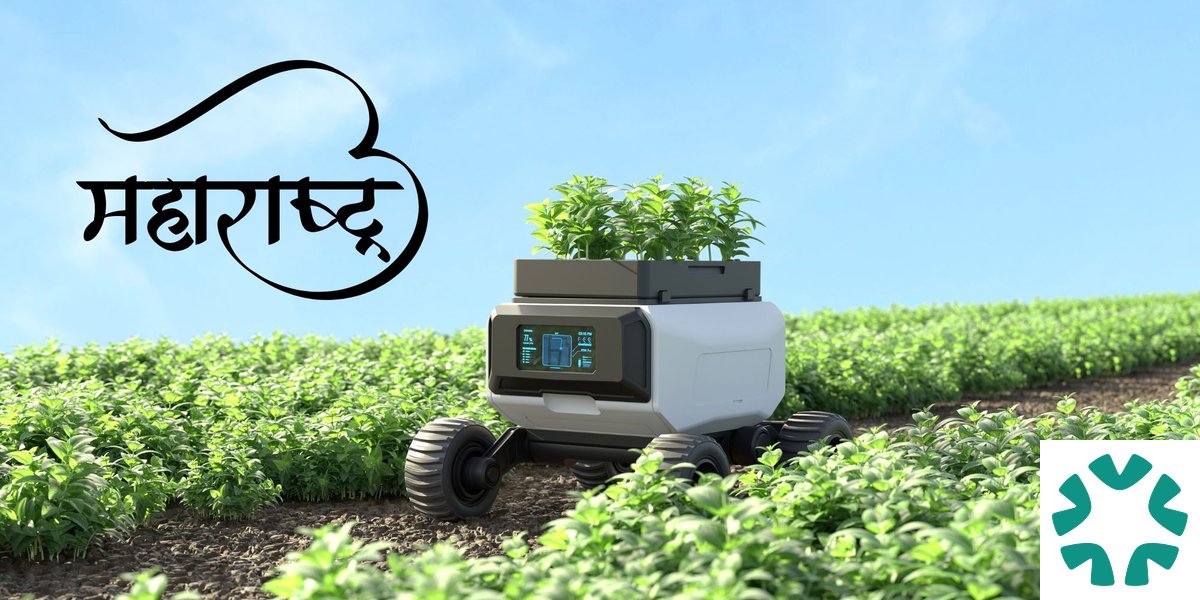

AI-Powered Farming: How Farm of the Future is Transforming Sugarcane Cultivation in Baramati
30 SEC SUMMARY
- Farm of the Future uses AI to provide sugarcane farmers in Baramati with precise irrigation, fertilization, and pest scouting alerts.
- The project, run by Agricultural Development Trust with Microsoft and Oxford University, has shown significant yield and cost benefits.
- The initiative is expanding to 50,000 farmers across Maharashtra and beyond, with a focus on sustainable agriculture.
TABLE OF CONTENTS
- Introduction
- How Farm of the Future Works
- Project Results and Figures
- Challenges and Considerations
- Future Expansion
- Key Highlights
- FAQ Section
- Conclusion
- Call-to-Action
Introduction
In the heart of Pune district, sugarcane farmers in Baramati are leveraging AI-generated daily alerts to optimize their farming practices. Spearheaded by the Agricultural Development Trust (ADT) Baramati in collaboration with Microsoft and Oxford University, the Farm of the Future initiative is revolutionizing traditional farming methods.
How Farm of the Future Works
Farm of the Future utilizes advanced technology to provide farmers with precise, data-driven recommendations. Weather stations equipped with sensors for wind, rain, solar, temperature, and humidity, along with soil sensors measuring moisture, pH, electrical conductivity, potassium, and nitrogen, collect real-time data.
This data is combined with satellite and drone imagery and historical crop records, analyzed by AI to generate daily instructions for farmers. These instructions pinpoint exactly where to water, fertilize, or scout for pests, ensuring optimal crop management.
Project Results and Figures
The project was unveiled at the January 2024 Krushik farmers' festival, showcasing improvements across a dozen crops, including sugarcane, tomato, and okra. The standout result for sugarcane was a demonstration plot at the Krishi Vigyan Kendra research station, showing stalks 30 to 40% heavier, 20% more sucrose, reduced water and fertilizer usage, and a shortened crop cycle from 18 months to 12.
However, these figures were from a recruitment demonstration rather than individual farmer fields. Following the showcase, 20,000 farmers signed up, with 1,000 selected and 200 planting test plots in mid-2024.
Reported outcomes since then vary:
- ADT and Krishi Vigyan Kendra claim a 40% yield gain.
- Microsoft reports over 20% higher production, 25% cut in fertilizer costs, and an 8% reduction in water use.
- Other accounts suggest water savings of 30% to 50%.
Farmer Seema Chavan, featured in a Microsoft video, reported a 30% cost reduction and a 30 to 40% yield increase on 1.5 acres.
Challenges and Considerations
While the results are promising, the initiative has its caveats. Microsoft's own data shows that 10 to 20% of AI-generated alerts were edited by ADT agronomists for accuracy in the first six months. Additionally, the hardware costs are substantial: trial farmers paid ₹10,000 for soil testing and training, with ADT contributing roughly ₹75,000 per farmer in equipment and other costs, totaling about ₹85,000 per acre of setup, heavily subsidized.
Future Expansion
The program is scaling up from 1,000 to 50,000 farmers across Maharashtra. In August 2025, the Indian Sugar and Bio-energy Manufacturers Association signed an MoU with ADT Baramati and agri-tech firm Map My Crop to launch a National AI-ML Network, targeting cane productivity above 100 tonnes per hectare and sugar recovery above 11%. Click2Cloud is also collaborating with the Chhattisgarh and Uttar Pradesh governments to expand the initiative.
Key Highlights
KEY HIGHLIGHTS
- AI-generated alerts optimize sugarcane farming in Baramati.
- Project results show significant yield and cost benefits.
- Expansion planned to 50,000 farmers across Maharashtra.
FAQ Section
FAQ Section
-
**Q: What is the Farm of the Future initiative? **A: The Farm of the Future initiative is a project by ADT Baramati, Microsoft, and Oxford University, using AI to provide sugarcane farmers with precise farming recommendations.
-
**Q: What are the reported benefits of the project? **A: Reported benefits include a 40% yield gain, 25% cut in fertilizer costs, and an 8% reduction in water use.
-
**Q: What challenges does the project face? **A: The project faces challenges such as the need for human review of AI alerts and substantial setup costs per acre.
Conclusion
The Farm of the Future initiative exemplifies the potential of AI in transforming traditional farming practices. While the results are promising, the scalability and long-term sustainability of such high-cost, subsidized programs remain open questions.
Call-to-Action
Discover more about innovative agricultural solutions at blogy.in.
Sources
This story is an original summary and analysis written by LazyFounders from the reporting listed above. Facts are attributed to their original publishers; sections marked as analysis are LazyFounders's opinion. Where a source is in another language, facts were machine-translated and quotations are reported, not reproduced. Read the original coverage via the links.