
Alkaline vs. Lithium-Ion Batteries: Key Differences and Best Uses
Alkaline and lithium-ion batteries serve different purposes in consumer electronics, from low-drain devices to high-performance gadgets. Understanding their advantages, limitations, and safety considerations can help operators choose the right power source for their products.

Editor, Lazyfounder
30 SEC SUMMARY
- Alkaline batteries are widely used in low-drain devices like remotes and flashlights, offering affordability and accessibility.
- Lithium-ion batteries are rechargeable and dominate high-drain devices such as smartphones, laptops, and power tools due to their energy density.
- Disposable lithium AA/AAA batteries are ideal for high-consumption devices or extreme temperatures but cost more than alkaline options.
- Rechargeable Ni-MH batteries like Panasonic Eneloop provide a cost-effective alternative for frequent use but may not suit voltage-sensitive devices.
- Improper disposal of lithium-ion batteries poses fire risks, requiring dedicated recycling facilities.
TABLE OF CONTENTS
KEY HIGHLIGHTS
- Alkaline batteries (AA, AAA, C, D, and 9-volt) are inexpensive and common in low-drain devices like TV remotes and flashlights.
- Lithium-ion batteries are rechargeable and used in high-drain devices such as smartphones, laptops, and power tools.
- Disposable lithium AA/AAA batteries are designed for high-consumption devices or extreme temperatures but are more expensive than alkaline batteries.
- Rechargeable Ni-MH batteries, like Panasonic Eneloop, work in most everyday devices but may not be compatible with voltage-sensitive gadgets.
- Lithium-ion batteries must be recycled at dedicated facilities to avoid fire hazards, while alkaline batteries can be trashed in most U.S. states except California.
Common Uses for Alkaline Batteries
According to Engadget, alkaline batteries are the standard for low-drain devices such as TV remotes, flashlights, and clocks. They come in familiar sizes like AA, AAA, C, D, and 9-volt cells and are valued for their affordability and widespread availability.
Why Lithium-Ion Batteries Dominate High-Drain Devices
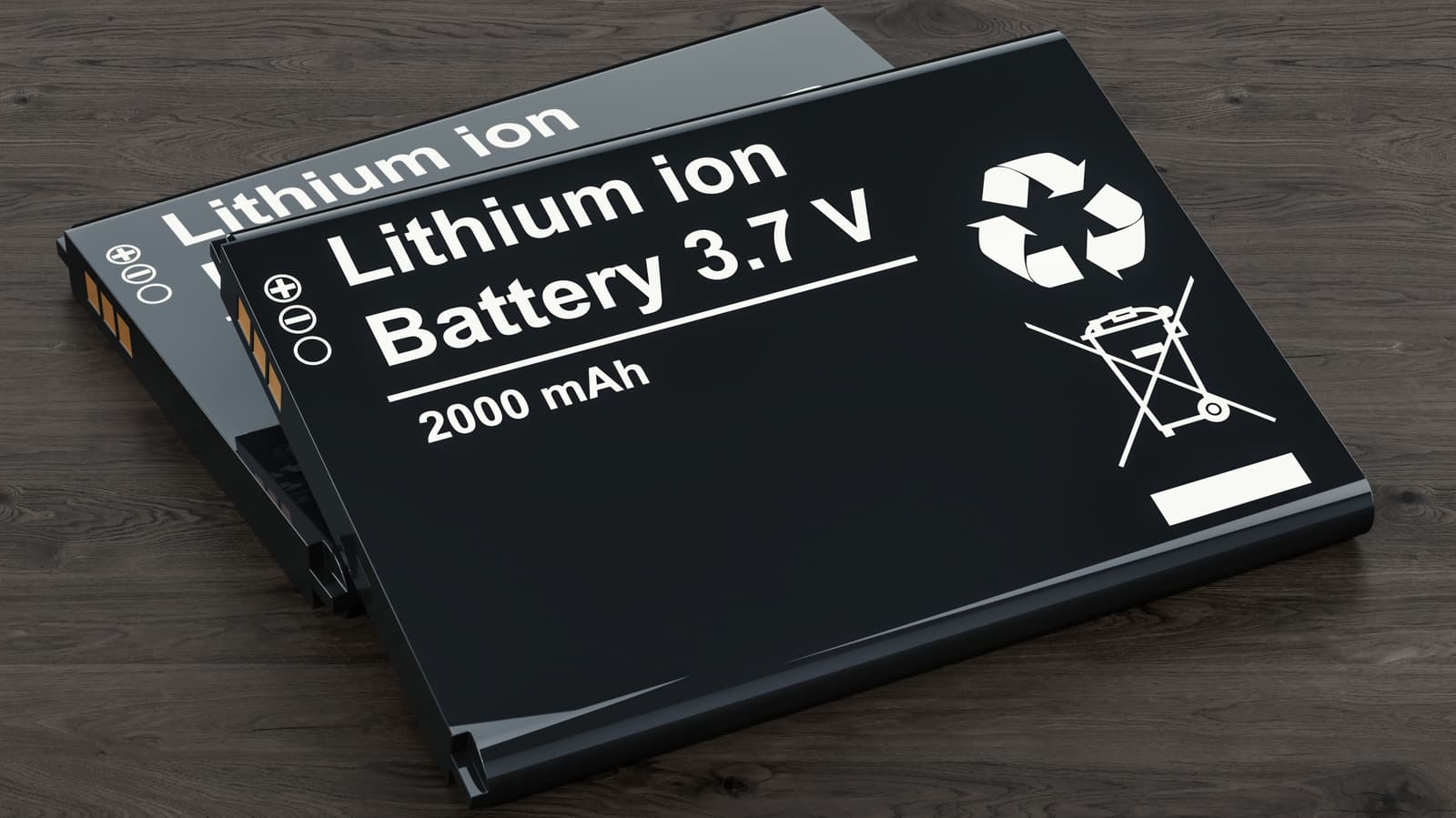
Lithium-ion batteries are rechargeable and commonly found in high-drain devices like smartphones, laptops, digital cameras, and power tools, Engadget reports. Their high energy density allows for compact, long-lasting power solutions, making them ideal for devices that require frequent recharging.
Disposable Lithium Batteries: When to Use Them
Disposable lithium AA and AAA batteries are distinct from lithium-ion batteries and are designed for devices that consume power quickly or operate in extreme temperatures, such as outdoor gear or emergency equipment. Engadget notes that these batteries are more expensive than alkaline options but offer superior performance in demanding conditions.
Rechargeable Ni-MH Batteries as an Alternative
Rechargeable nickel-metal hydride (Ni-MH) batteries, such as Panasonic Eneloop, are available in standard sizes like AA and AAA and can replace alkaline batteries in most everyday devices. According to Engadget, they provide a cost-effective solution for high-frequency use but may not be compatible with voltage-sensitive gadgets due to their lower voltage output.
Safety and Disposal Considerations
Engadget highlights safety risks associated with using incompatible battery types, which can lead to overheating or fires. While alkaline batteries can be disposed of in the trash in most U.S. states (except California), lithium-ion batteries require recycling at dedicated facilities due to their fire hazard. Exposed terminals should be taped, and batteries kept separate during transport to prevent short-circuiting.
Compatibility and Cost Trade-offs
Using lithium alternatives for alkaline batteries is only safe if the device manufacturer explicitly approves it, according to Engadget. Rechargeable Ni-MH batteries, while cost-effective over time, may not suit all devices due to their lower voltage. Disposable lithium batteries, though pricier, excel in high-consumption scenarios but may not be economical for everyday use.
What this means
Lazyfounder analysis — our interpretation, not reported fact.
For founders and operators in consumer electronics or hardware startups, battery choice is a critical product decision with implications for performance, cost, and safety. Alkaline batteries remain a reliable and cheap option for low-drain devices, but their single-use nature may not align with sustainability goals or frequent-use scenarios. Lithium-ion batteries, while rechargeable and energy-dense, require careful handling and recycling—adding complexity to product design and end-of-life management.
Rechargeable alternatives like Ni-MH batteries strike a balance between cost and reusability, but compatibility issues with voltage-sensitive devices can limit their appeal. For startups building devices that demand high power or operate in extreme conditions, disposable lithium batteries may be the best fit, though their higher cost could impact pricing strategies.
Safety and compliance are non-negotiable. Misusing batteries—whether through incompatible substitutes or improper disposal—can lead to overheating, fires, or regulatory violations. Startups must prioritize clear user guidelines and partnerships with certified recycling programs to mitigate risks and build trust with customers.
Key takeaways
- Choose battery types based on device requirements: alkaline for low-drain, lithium-ion for rechargeable high-drain, and disposable lithium for high-consumption or extreme conditions.
- Rechargeable Ni-MH batteries can reduce long-term costs but may not work in voltage-sensitive devices.
- Always verify manufacturer compatibility before substituting lithium alternatives for alkaline batteries to avoid safety risks.
- Dispose of lithium-ion batteries responsibly at dedicated recycling centers to prevent fire hazards.
FAQ
Can I use lithium AA batteries instead of alkaline in any device?
Only if the device manufacturer explicitly states compatibility. Using lithium batteries in devices not designed for them can cause overheating or fires.
Why are lithium-ion batteries not disposed of in regular trash?
Lithium-ion batteries pose a fire risk if damaged. They must be recycled at dedicated facilities to prevent hazards like fires in waste management systems.
Are rechargeable Ni-MH batteries a good replacement for alkaline batteries?
They work in most everyday devices but may not be suitable for voltage-sensitive gadgets due to their lower voltage output.
Related on Lazyfounder
Sources
- Engadget · 2026-10-12
What's The Difference Between Alkaline And Lithium-Ion Batteries?
This story is an original summary drafted with AI by Lazyfounder from the reporting listed above and checked by automated validation. Facts are attributed to their original publishers; sections marked as analysis are Lazyfounder's. Where a source is in another language, facts were machine-translated and quotations are reported, not reproduced. Read the original coverage via the links, and see our AI policy and corrections policy.

About the author
Editor, Lazyfounder
Tarun Mottlia edits LazyFounders, covering Indian startups, funding rounds, AI and product launches. Every story on the site is AI-assisted and checked against its cited sources before publication.
More stories by Tarun MottliaGet the LazyFounder Brief
Startup, funding and AI news in a five-minute read. Join the early-access list.
