

Zoho founder says IT firms divert hiring budgets to AI and data centre costs
Zoho founder Sridhar Vembu has stated that information technology companies are redirecting funds originally earmarked for new hires toward artificial intelligence and data centre infrastructure. In remarks reported by YourStory, Vembu highlighted the rising costs of servers and memory devices as a key factor, while also questioning the need for more software in a saturated market and the sustainability of AI-driven investments.

Editor, Lazyfounder
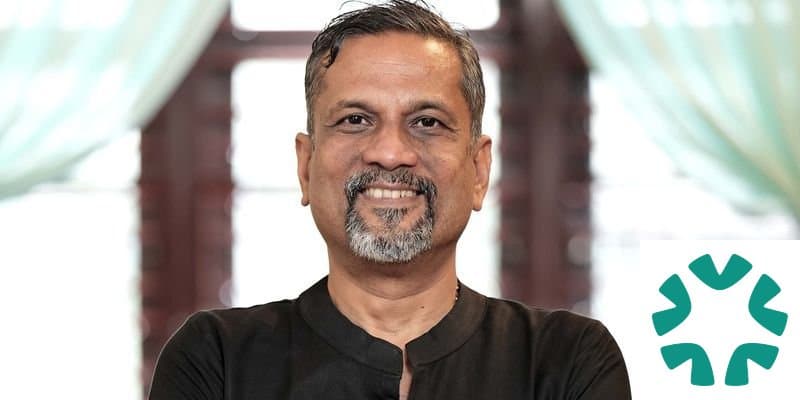
TABLE OF CONTENTS
Funds diverted from hiring to AI and data centres
Zoho founder and chief scientist Sridhar Vembu has stated that information technology (IT) companies, including Zoho, are avoiding large-scale layoffs but are not creating significant new jobs either. According to YourStory, Vembu said budgets originally allocated for hiring are now being redirected toward artificial intelligence (AI) and data centre infrastructure costs.
He highlighted that the cost of servers and memory devices has surged, leading to a substantial increase in data centre expenses. While companies like Zoho are attempting to control these costs, many factors remain outside their control.
Questions over software demand and industry growth
Vembu raised concerns about whether there is a genuine need for more software in an already saturated global market. He noted that AI tools are accelerating software development but questioned if additional products are necessary or valuable.
He predicted that the software industry’s future growth would slow, with a greater emphasis on quality, reliability, and brand value—similar to trends in other product-based industries.
AI investments and economic challenges
According to Vembu, IT spending by companies is increasingly directed toward AI technologies. He pointed out that AI firms are taking on substantial debt and capital expenditures (capex) but expressed uncertainty about whether these investments will yield proportionate profits.
Vembu also expressed scepticism about the manufacturing sector’s ability to offset the IT job shortfall. He noted that automation is reducing the number of jobs even in large manufacturing plants, limiting employment opportunities.
Broader economic and policy implications
Vembu identified a structural economic challenge: while advanced technology reduces production costs and lowers prices, people need sufficient income to purchase these goods. He described this as a complex issue with no straightforward solution.
He suggested that universal basic income (UBI) could be a potential solution, noting that India’s welfare schemes already reflect some aspects of this approach. Vembu anticipates growing political pressure to expand such programmes as global youth unemployment remains a persistent challenge.
What this means
Lazyfounder analysis — our interpretation, not reported fact.
Vembu’s observations signal a potential shift in how IT firms allocate resources, with long-term implications for founders and operators in India and beyond. The redirection of funds from hiring to AI and data centre infrastructure suggests that startups and established companies alike may need to reconsider their growth strategies—prioritising efficiency and cost control over rapid expansion.
For founders, this could mean a slower pace of hiring, even if layoffs are avoided. It may also indicate a need to focus on niche markets or high-value products, as the broader software market becomes more saturated. The emphasis on quality and brand value over sheer volume of products could favour companies with strong reputations or specialised offerings.
The scepticism around AI’s profitability and the broader economic challenges—such as job creation and income inequality—highlight the need for startups to think critically about their business models. Relying solely on AI-driven growth or automation may not be sustainable without addressing the underlying economic conditions that support demand. For Indian founders, this could reinforce the importance of building resilient, adaptable businesses that can thrive even in a slower-growth environment.
Sources
- yourstory.com
'ஐடி-யில் புதிய வேலைவாய்ப்புகள் இல்லை, முதலீடு முழுக்கவும் ஏஐ பக்கம் திரும்புகிறது' - ஸ்ரீதர் வேம்பு
This story is an original summary drafted with AI by Lazyfounder from the reporting listed above and checked by automated validation. Facts are attributed to their original publishers; sections marked as analysis are Lazyfounder's. Where a source is in another language, facts were machine-translated and quotations are reported, not reproduced. Read the original coverage via the links, and see our AI policy and corrections policy.

About the author
Editor, Lazyfounder
Tarun Mottlia edits LazyFounders, covering Indian startups, funding rounds, AI and product launches. Every story on the site is AI-assisted and checked against its cited sources before publication.
More stories by Tarun MottliaGet the LazyFounder Brief
Startup, funding and AI news in a five-minute read. Join the early-access list.
