
AI chatbots like Claude and ChatGPT lead hikers astray, sparking rescues
Public land managers and search-and-rescue teams in the US and Canada report a surge in incidents where hikers and outdoor enthusiasts rely on AI chatbots like Anthropic’s Claude and OpenAI’s ChatGPT for trip planning. The misinformation generated by these tools has led to dangerous situations, rescues, and disputes over camping rules.

Editor, Lazyfounder
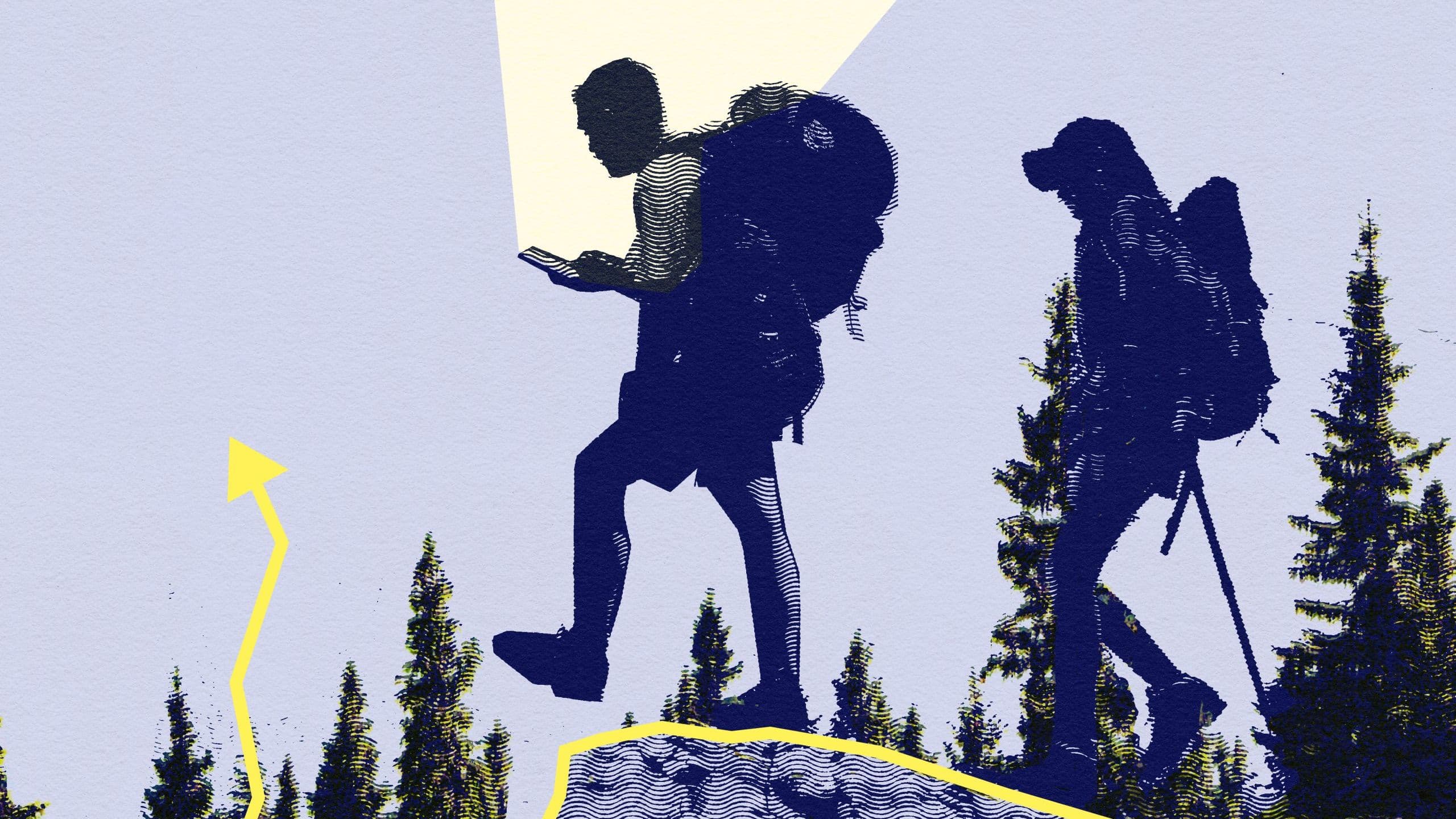
AI-generated advice fuels risky decisions
Public land managers at locations like Mount Shasta in Northern California and Grand Teton National Park in Wyoming say hikers are increasingly using AI chatbots to plan trips, often with dangerous consequences. Nick Meyers of the Mount Shasta Wilderness Climbing and Avalanche Center reported an incident involving three 20-year-olds who required rescue after following AI-generated advice. According to Meyers, the hikers’ plan was "impossible to execute" and put them at significant risk.
In Grand Teton National Park, Park Superintendent Chip Jenkins noted a shift in visitor behavior, with AI use for travel information rising from zero to 26 percent over the past year. Jenkins described cases where visitors insisted on camping in prohibited areas because an AI chatbot assured them it was permitted. One visitor pitched her tent near a "No Camping" sign and argued her right to stay based on AI advice.
AI chatbots like Claude and ChatGPT can "hallucinate" or fabricate information, presenting misinformation as fact. Jim Moss, a recreation attorney and search-and-rescue volunteer, warned that these tools may scrape unreliable sources such as outdated Reddit threads or YouTube videos, or generate entirely false details. This misinformation can override users’ critical judgment, a phenomenon Moss calls "cognitive surrender."
Rescues and risks: What authorities are seeing
Incidents linked to AI reliance are not isolated. In British Columbia, a 16-year-old hiker was rescued from a ledge on the Widowmaker Arete of Crown Mountain after using Anthropic’s Claude to plan his trip. The hiker later told rescuers he had also consulted Google Maps and the AllTrails app, but the AI-generated advice appears to have been the primary source of misdirection.
Another case involved a man found wandering near a trailhead in Colorado with an AI-generated map that misplaced prominent mountain features. Authorities say such errors can disorient hikers, leading them into unfamiliar or hazardous terrain.
Despite the rise in AI-related incidents, search-and-rescue call volumes in Wyoming have declined in 2026 compared to 2025 and 2024. Experts caution that this data does not necessarily indicate safer behavior, as the full impact of AI reliance may still be emerging.
Why this matters for AI developers and outdoor enthusiasts
The rise in AI-related outdoor incidents highlights a growing gap between the capabilities of chatbots and the expectations of users. Chris Flathmann, a human-centered computing professor at Clemson University, noted that while AI tools can make users feel confident in their decisions, that confidence is often misplaced. Flathmann emphasized that users must verify AI-generated advice with authoritative sources like up-to-date maps, park service websites, or guidebooks.
For AI developers, these incidents underscore the need for clearer guardrails around high-stakes domains like outdoor recreation. Unlike factual errors in casual conversations, misinformation in trip planning can have life-threatening consequences. Some experts suggest that chatbots should proactively warn users about the risks of relying on AI for safety-critical decisions.
What this means
Lazyfounder analysis — our interpretation, not reported fact.
This trend is a wake-up call for both AI developers and outdoor recreation platforms. For developers, it reveals the real-world consequences of deploying chatbots in domains where misinformation can directly endanger lives. Unlike generic advice, outdoor trip planning requires precision, local expertise, and up-to-date information—areas where current AI models still fall short.
For founders building AI tools or platforms serving outdoor enthusiasts, this story signals a need for caution. If your product provides location-based advice, consider integrating verified data from park services, weather agencies, or certified guides, and flag AI-generated suggestions as supplementary rather than authoritative.
For operators in the outdoor recreation industry—park services, guide companies, or gear retailers—this is an opportunity to fill the information gap. Highlighting human-curated, reliable resources can build trust with users wary of AI risks. It’s also a reminder that education matters: teaching users how to cross-check information could reduce preventable incidents and ease the burden on search-and-rescue teams.
Related on Lazyfounder
Sources
- WIRED · 2026-11-01
Chatbots Are Leading Hikers Astray, With Dangerous Consequences
This story is an original summary drafted with AI by Lazyfounder from the reporting listed above and checked by automated validation. Facts are attributed to their original publishers; sections marked as analysis are Lazyfounder's. Where a source is in another language, facts were machine-translated and quotations are reported, not reproduced. Read the original coverage via the links, and see our AI policy and corrections policy.

About the author
Editor, Lazyfounder
Tarun Mottlia edits LazyFounders, covering Indian startups, funding rounds, AI and product launches. Every story on the site is AI-assisted and checked against its cited sources before publication.
More stories by Tarun MottliaGet the LazyFounder Brief
Startup, funding and AI news in a five-minute read. Join the early-access list.
