
African creators build global audiences but hit payment roadblocks
Founders of Selar, Mainstack, and Raenest highlighted the disconnect between African creators’ global reach and their ability to monetize reliably. At a Moonshot by TechCabal panel, they pointed to fragmented payment infrastructure as a key barrier, with 56.45% of Nigerian creators earning less than $100 monthly.

Editor, Lazyfounder
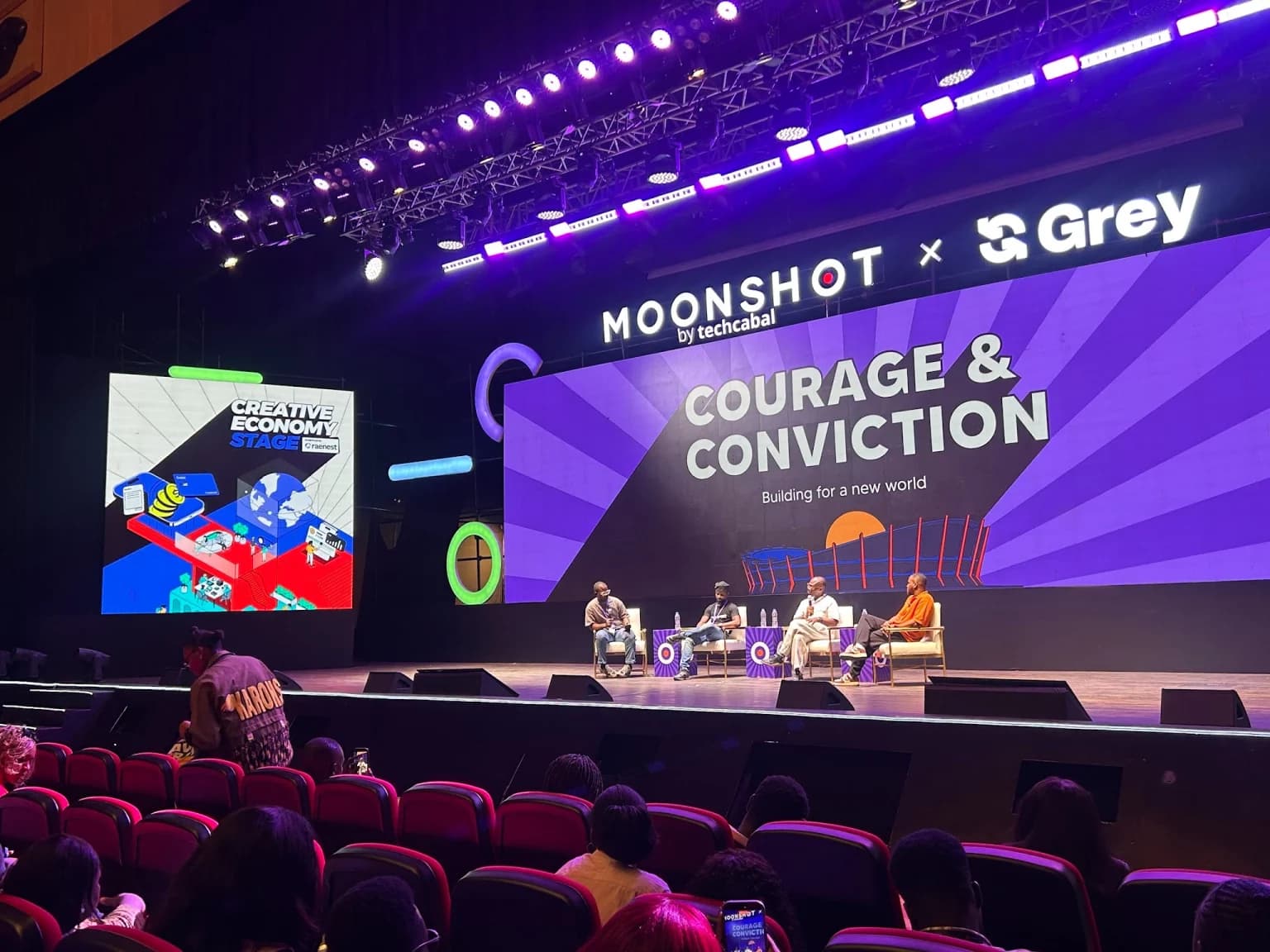
Payment gaps limit African creators’ earnings
At a panel during Moonshot by TechCabal, founders from Selar, Mainstack, and Raenest outlined the challenges African creators face in monetizing global audiences. While creators in Nigeria and other African markets can attract followers worldwide from their first post, converting that audience into reliable income remains difficult due to fragmented and unreliable payment systems.
A 2025 report on the Nigerian creator economy revealed that 56.45% of creators earn less than $100 monthly. The panel highlighted that many creators lack the tools to turn their following into sustainable revenue, with cross-border payments emerging as a critical bottleneck.
Platforms step in with infrastructure solutions
Selar, Mainstack, and Raenest have built platforms to address these gaps. Selar, a bootstrapped and profitable company, has paid out over ₦18 billion ($12.9 million) to nearly 400,000 creators. Its affiliate network generates more revenue than its subscription model, suggesting creators prefer flexible monetization options.
Mainstack treats every creator as a global user from day one, aiming to prevent payment failures before they occur. Raenest’s co-founder and CTO, Sodruldeen Mustapha, emphasized that creators prioritize control over their earnings, reflecting the need for transparent and accessible payment systems.
The panelists agreed that payment infrastructure does not need to be unique—just reliable. The ability to seamlessly receive earnings from audiences in Europe, the United States, and other markets would significantly improve creators’ ability to monetize their work.
Structural barriers persist beyond payments
While payment infrastructure is a major hurdle, the founders noted that other challenges remain. Selar’s founder, Douglas Kendyson, described customer acquisition for creators as "a very tasking thing," indicating that platforms may not always fill this gap. Creators must still navigate building and retaining audiences, even as tools emerge to help them earn from existing followings.
What this means
Lazyfounder analysis — our interpretation, not reported fact.
The struggles of African creators highlight a broader gap in commercial infrastructure for digital economies. While platforms like Selar, Mainstack, and Raenest are filling part of the void, their focus on payments underscores how far behind the continent’s fintech ecosystem is in serving non-traditional earners. For founders and operators, this signals opportunity—but also caution. Building another payment layer without addressing issues like audience retention, currency instability, or regulatory hurdles may not move the needle for creators. The success of these platforms suggests that reliability and control matter more than innovation, at least for now.
Related on Lazyfounder
Sources
- TechCabal · 2026-11-02
African creators go global on day one. Their money doesn’t.
This story is an original summary drafted with AI by Lazyfounder from the reporting listed above and checked by automated validation. Facts are attributed to their original publishers; sections marked as analysis are Lazyfounder's. Where a source is in another language, facts were machine-translated and quotations are reported, not reproduced. Read the original coverage via the links, and see our AI policy and corrections policy.

About the author
Editor, Lazyfounder
Tarun Mottlia edits LazyFounders, covering Indian startups, funding rounds, AI and product launches. Every story on the site is AI-assisted and checked against its cited sources before publication.
More stories by Tarun MottliaGet the LazyFounder Brief
Startup, funding and AI news in a five-minute read. Join the early-access list.
