
7-Eleven closes all stores in India, shifts strategy amid long-term ambitions
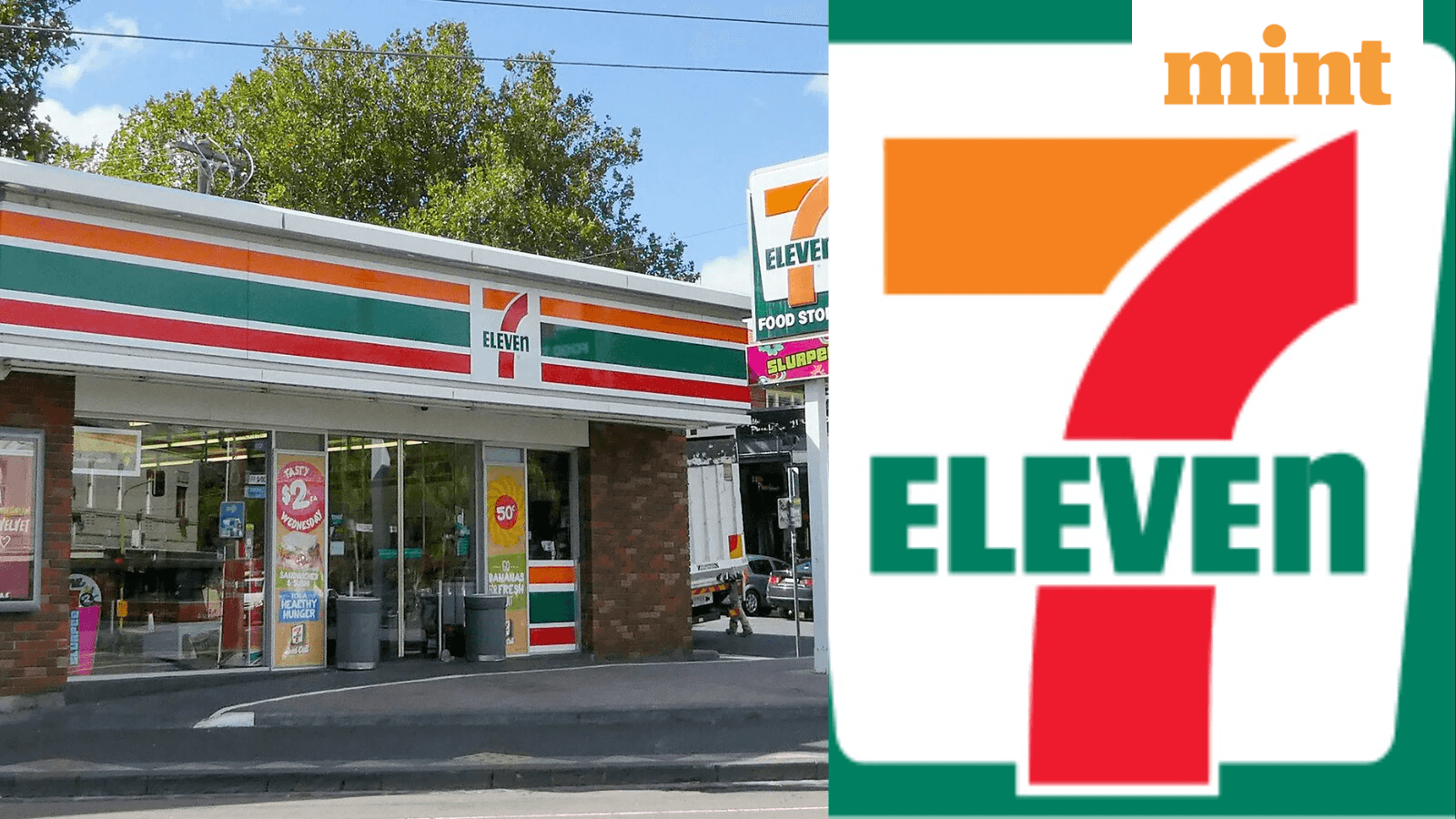
7-Eleven has shut down all 31 of its stores in India, ending its franchise partnership with Reliance Retail. Despite the closures, the company is exploring alternative strategies to maintain a long-term presence in the Indian market, potentially moving away from the franchise model.

Editor, Lazyfounder
30 SEC SUMMARY
- 7-Eleven has closed all 31 of its stores in India, operated under a franchise agreement with Reliance Retail.
- The closure follows a failed earlier partnership with Future Retail and unmet business targets.
- 7-Eleven remains interested in the Indian market and is exploring alternative strategies, including a potential shift away from the franchise model.
- Competitor Lawson plans to enter India with a direct management model by 2027, targeting 100 stores by 2030.
- Analysts suggest 7-Eleven may adopt a similar direct management approach for future operations in India.
TABLE OF CONTENTS
KEY HIGHLIGHTS
- 7-Eleven closed all 31 stores in India at the end of September, ending its franchise agreement with Reliance Retail.
- The company previously partnered with Future Retail but terminated the agreement due to unmet targets.
- 7-Eleven expressed long-term interest in India and is considering alternative business strategies, including direct store management.
- Japanese competitor Lawson plans to enter India in 2027 with a direct management model, targeting 100 stores by 2030.
- Analysts believe 7-Eleven’s closures may signal a strategic shift rather than a complete exit from the Indian market.
All 7-Eleven stores in India shut down
7-Eleven has closed all 31 of its stores in India, according to Mint (Technology). The stores were operated under a master franchise agreement with Reliance Retail, which began in 2021.
The closure marks the end of 7-Eleven’s second attempt to enter the Indian market. Its earlier partnership with Future Retail was terminated due to unmet business targets.
Long-term ambitions remain despite closures
Despite the shutdown, 7-Eleven has stated it remains interested in expanding its presence in India. The company is reportedly exploring alternative business strategies to re-enter the market.
Analysts suggest the closures may indicate a strategic shift rather than a complete withdrawal. Sohrab Bararia, Partner at Grant Thornton Bharat, highlighted that 7-Eleven could consider moving away from the franchise model to directly manage its stores in India.
Competitor Lawson plans direct market entry
Japanese convenience store chain Lawson is preparing to enter the Indian market with a direct management model. According to Mint (Technology), Lawson plans to establish a local subsidiary in India before February 2027 and open its first five stores in Mumbai by that year.
Lawson aims to expand to 100 stores across India by 2030. Its approach contrasts with 7-Eleven’s franchise model, which may have contributed to the latter’s challenges in the Indian market.
Bararia noted that direct management could give 7-Eleven greater control over operations and allow it to adapt its products and services to local preferences.
Earlier market entry attempts
7-Eleven’s first attempt to enter India was through a partnership with Future Retail, which ended due to unmet targets. The franchise model has been a common strategy for international retailers entering India, but success has varied.
What this means
Lazyfounder analysis — our interpretation, not reported fact.
For founders and operators, 7-Eleven’s exit from India under the franchise model is a cautionary tale about the challenges of adapting a global retail format to local markets. While franchising can reduce operational risk, it often limits control over branding, customer experience, and agility—factors that are critical in a diverse and fast-evolving market like India.
The shift toward direct management by competitors like Lawson suggests a growing recognition that local adaptation requires deeper involvement. For startups and retailers eyeing India, this case underscores the importance of balancing scalability with localized execution. Founders should consider hybrid models that combine the speed of franchising with the control of direct ownership, particularly in sectors where cultural and consumer preferences vary widely.
Key takeaways
- The franchise model may not always work for international retailers entering complex markets like India, particularly if local partners struggle with execution or cultural adaptation.
- Direct management models, while resource-intensive, offer greater control over brand consistency and customer experience, which may be critical for long-term success.
- Retailers must assess whether their business model can adapt to local preferences without diluting core value propositions when expanding internationally.
- Strategic pivots—such as shifting from franchising to direct ownership—can signal resilience, but they require careful planning and market-specific insights.
- Competitor moves, like Lawson’s direct entry strategy, can force incumbents to rethink their approach, creating opportunities for differentiation.
FAQ
Why did 7-Eleven close its stores in India?
7-Eleven closed all 31 of its stores in India after its franchise agreement with Reliance Retail failed to meet business expectations. This followed an earlier unsuccessful partnership with Future Retail.
Is 7-Eleven completely exiting the Indian market?
No, 7-Eleven has expressed long-term interest in India and is exploring alternative strategies, including a potential shift to direct store management instead of relying on franchise partners.
How is Lawson’s approach to entering India different from 7-Eleven’s?
Lawson plans to enter India with a direct management model, establishing a local subsidiary and owning its stores. This contrasts with 7-Eleven’s franchise model, which contributed to its challenges in the market.
Related on Lazyfounder
Sources
- Mint (Technology) · 2026-10-12
Why did Japanese chain 7-Eleven shut 31 stores in India despite its ‘long-term’ ambitions?
This story is an original summary drafted with AI by Lazyfounder from the reporting listed above and checked by automated validation. Facts are attributed to their original publishers; sections marked as analysis are Lazyfounder's. Where a source is in another language, facts were machine-translated and quotations are reported, not reproduced. Read the original coverage via the links, and see our AI policy and corrections policy.

About the author
Editor, Lazyfounder
Tarun Mottlia edits LazyFounders, covering Indian startups, funding rounds, AI and product launches. Every story on the site is AI-assisted and checked against its cited sources before publication.
More stories by Tarun MottliaGet the LazyFounder Brief
Startup, funding and AI news in a five-minute read. Join the early-access list.
